Making anemia prevention work at scale: What we’ve learned supporting India's iron supplementation program
Evidence Action
/
What if the biggest barrier to solving a health crisis wasn’t the cure, but delivering it to the children who need it?
That’s the reality in India, where millions of children struggle with the effects of anemia, costing the economy an estimated $46 billion annually in lost productivity across the total population.
Iron-deficiency anemia causes fatigue that limits play, poor concentration that affects learning, and weakened immunity that increases illness. Yet the impact of anemia often goes unrecognized by caregivers and communities unless symptoms are severe, making prevention efforts critical.
The medical solution is proven
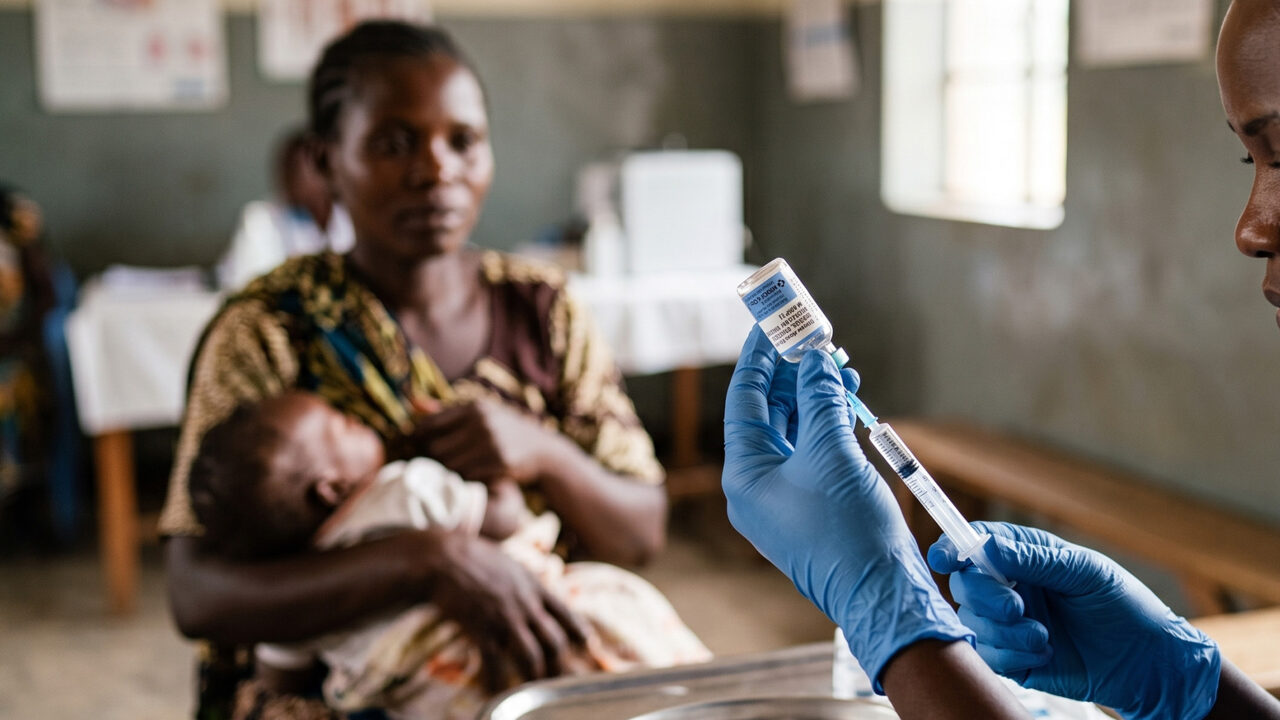
Weekly or twice weekly iron and folic acid (IFA) supplements cost pennies and are proven to reduce the risk of anemia across age groups1.
Since 2019, Evidence Action has partnered with governments across five states in India to strengthen the systems required to prevent anemia at scale: supply chains reaching remote schools, training infrastructure for teachers and health workers, data systems precise enough to identify breakdown points.
Our evaluation of progress from 2022 to 2024 reveals both significant gains and the complexity of health systems transformation.
What Changed: The Results
Between 2022 and 2024, the percentage of school-aged children (5-19 years) receiving their full recommended doses of IFA, or “full coverage,” more than doubled — from 30% to 65%. For children under five receiving IFA syrup, full coverage increased from 21% to 43%. Across all target populations, we're now reaching 26 million children and adolescents with full coverage, up from 13 million in 2022, and 34 million children with any amount of IFA.
IFA Full Coverage · 2022 vs. 2024
2022 Baseline
2024 Endline
School-Aged Children (5–19)
2022
30%
2024
65%
Children Under 5
2022
21%
2024
43%
These coverage gains translate to tangible health outcomes. From 2022 to 2025, our technical assistance has contributed to averting an estimated 3.5 million cases of anemia and roughly 140,000 disability-adjusted life years (DALYs) at less than $100 per DALY averted.
3.5M
Estimated cases of anemia averted
2022–2025
~140K
Disability-adjusted life years (DALYs) averted
2022–2025
<$100
Cost per DALY averted through technical assistance
Cost-effectiveness
D
DALY
=
YLD
Years lived with disability
+
YLL
Years of life lost
To measure and compare these health losses across different diseases and populations, the global health community developed a metric called disability-adjusted life years, or DALYs. It's the tool that allows us to answer precisely: What does it cost to give someone back a year of healthy life?
For the children receiving these supplements, the benefits are real: more energy for school and play, better cognitive development, stronger immune systems, and for adolescent girls, reduced risks during future pregnancies.
Evidence
4.6
IQ point increase
A 2013 meta-analysis found that for anemic children, iron supplementation resulted in an average improvement of 4.6 points in IQ score — a meaningful gain that compounds over years of schooling and into adult earning potential.
Source: 2013 meta-analysis of iron supplementation in anemic children
But even with schools as the platform, we had to address multiple barriers simultaneously:
Barriers to School-Based IFA Delivery
Identified in 2022 baseline → addressed through technical assistance
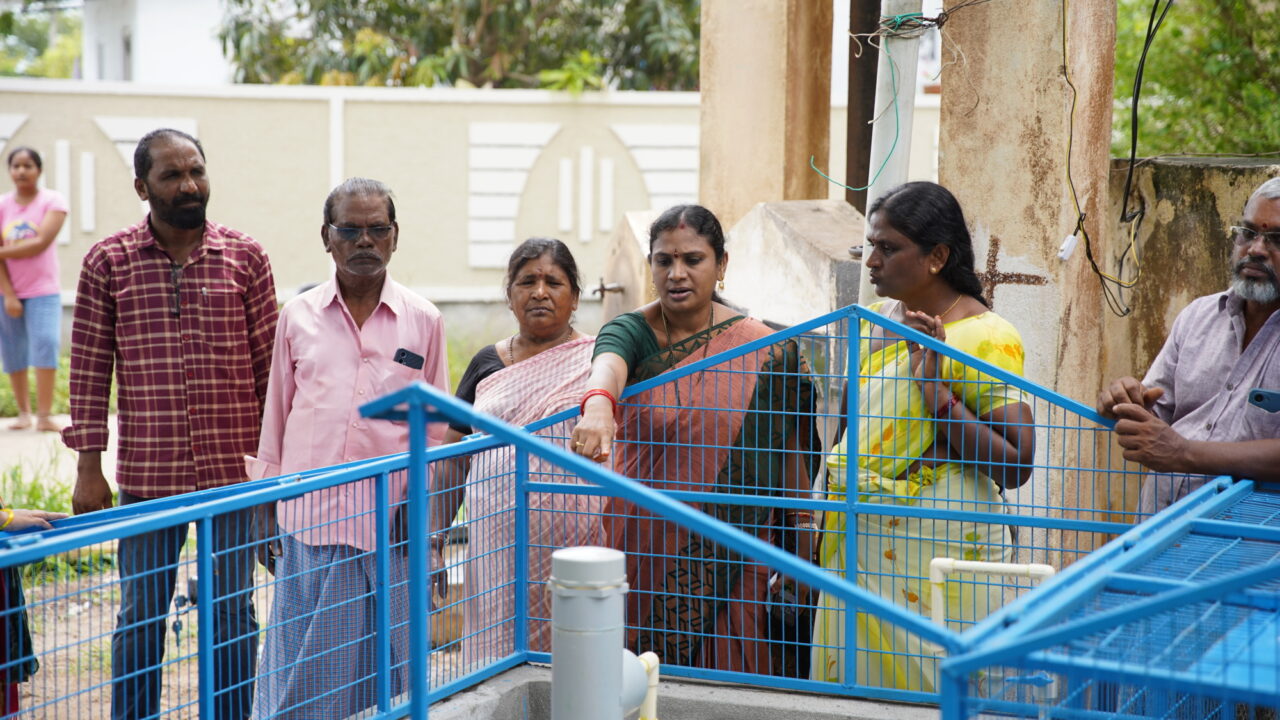
In 2022, about one-fifth of schools reported IFA stockouts in the prior three months. Working alongside two state governments, we supported hub-and-spoke mapping, linking private schools to primary health centers to ensure supply availability down to the last mile.
Across all states, we provided technical support for regular reviews of supply data at district and block meetings to help officials mobilize resources to prevent or address stockouts before they disrupted delivery.
Less than 60% of teachers had received IFA-specific training, and fewer than 40% of schools had materials explaining the benefits. We supported government efforts to strengthen training and materials distribution by leveraging government review meetings to share program information, disseminated reminders via WhatsApp, and working with education departments to create training calendars.
In collaboration with states, we developed information, education and communication (IEC) materials for both caregivers and children, including posters, training videos, and audio-visuals for adolescents.
To establish routine and simplify administration, we supported states in implementing fixed-day distribution across states. To reinforce compliance, we helped coordinate weekly SMS reminders to teachers on the designated distribution day.
The Harder Challenge: Reaching Children Under Five
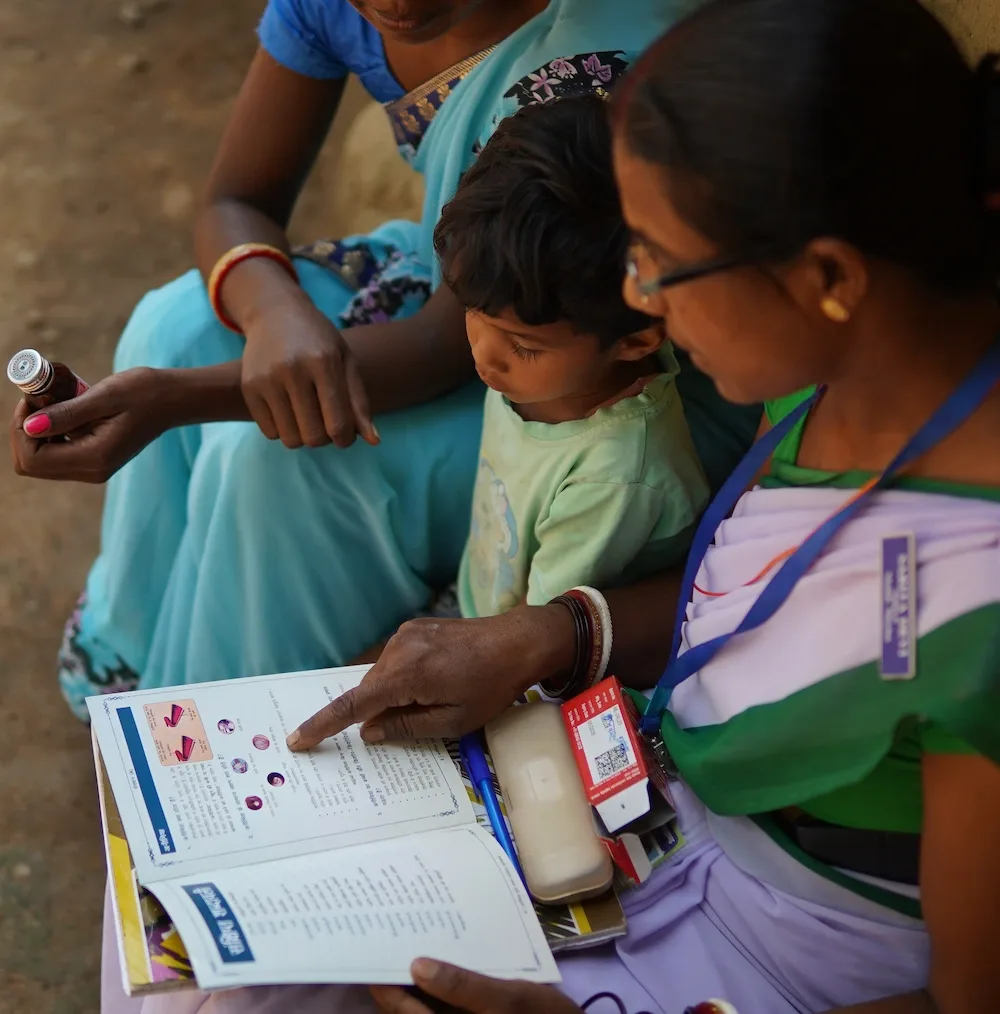
Progress for children under five has been slower, and the data illuminates why. These younger children receive IFA syrup (not tablets) biweekly delivered at Anganwadi centers or at home through Accredited Social Health Activists (ASHAs) or parents.
The complexity of this delivery model creates distinct challenges:
Challenges Reaching Children Under 5
IFA syrup via Anganwadi centers, ASHAs, or parents — a more complex delivery model
Multiple potential administrators — Anganwadi workers, ASHAs, or parents — can lead to uncertainty about who's responsible for administration. We advocated for clearer guidelines delineating responsibilities.
Following consultation workshops with stakeholders from district, block, and village levels, states issued directives detailing the roles of different cadres and strategies to address coverage gaps.
Our 2022 survey revealed gaps in awareness of proper IFA dosing among both caregivers and administrators. Caregivers often didn't recognize the impact of anemia on their children's health unless symptoms became severe, and counseling to improve compliance was inadequate.
We contracted a third party to review and update information, education, and communication materials, emphasizing bi-weekly administration of age-appropriate dosages through posters, audiovisual aids, training materials, social media, and newspaper ads. We also undertook a months-long project to update contact databases for ASHAs across all partner districts, enabling better reach via SMS and WhatsApp.
IFA syrup bottles are heavier and bulkier than tablets, and funds for last-mile transportation aren't always available. This exacerbates supply chain gaps.
We supported states in advocating for inclusion of drug transportation stipends for ASHAs in state budgets, which are now approved in some partner states. With states receiving funds for last-mile transportation in the 2024-25 financial year, we're providing technical support to leverage this opportunity to improve distribution tracking through monthly meetings and electronic systems.
Photo Story
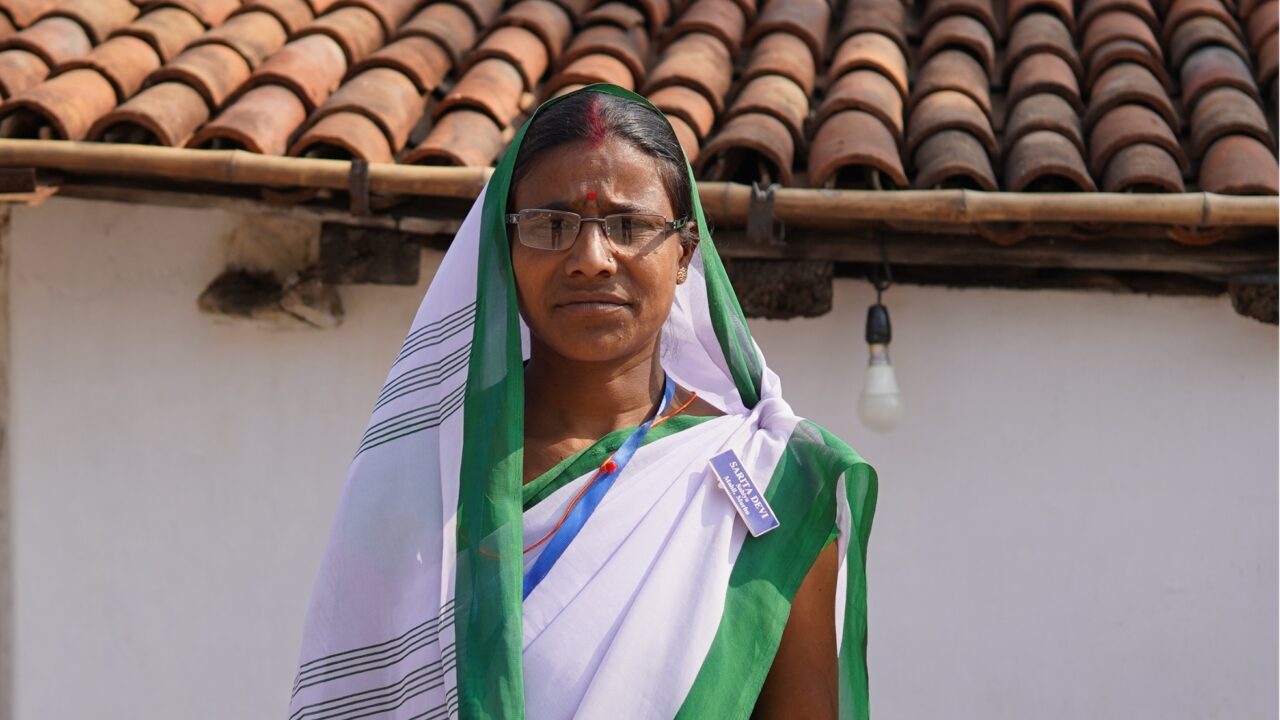
What reaching children under five actually looks like in Khunti, India
The under-5 challenges described here are Sarita Devi's daily reality. As a Sahiya in Jharkhand, she navigates all of them to get IFA syrup to children who need it.
What Government Partners Said About Our Technical Assistance
To better understand the value of our support, we engaged a third-party firm to collect qualitative feedback from government officials and stakeholders. Several themes emerged:
What Government Partners Said
Themes from third-party qualitative feedback with government officials and stakeholders
Supply Chain Reliability
Officials highlighted that before our involvement, IFA supply was irregular and poorly managed. They specifically noted our support in thoroughly checking supply records — reviewing stock levels, past records, and school data to ensure proper stock maintenance and guide future demand — led to improvements in supply chain efficiency and reliability.
Government officials · Third-party qualitative review
Private School Inclusion
Stakeholders emphasized our role in advocating for private schools' inclusion in the program and increasing acceptance among children and parents in private schools. They also referenced our technical support during inter-departmental meetings, where we complement district insights with state-level analysis.
Program stakeholders · Third-party qualitative review
Sustained Attention on Anemia
Some officials noted that our State Program Review Committee meetings and technical support help maintain consistent attention on anemia prevention alongside competing health priorities.
Government officials · Third-party qualitative review
What Comes Next
Our goal is to increase and sustain these coverage gains while scaling back support where it's no longer needed. We're planning gradual reductions in the intensity of district and last-mile support, paired with capacity building aimed at increasing government ownership.
Key priorities include:
What Comes Next
Increasing and sustaining coverage gains while building government ownership
→
Continue driving coverage increases for under-5s and private schools
The solutions are becoming clearer, but implementation requires sustained attention. These remain the two populations with the largest coverage gaps.
→
Strengthen supply chain tracking and reporting
Work with states to improve last-mile distribution tracking and data quality through guidance and standard operating procedures, linking drug movement data across levels to pinpoint vulnerabilities and optimize delivery.
→
Establish government monitoring and strengthen existing review mechanisms
The long-term sustainability of high coverage depends on robust government systems for identifying and addressing gaps. We're strengthening existing review mechanisms to support this.
→
Explore expansion to new geographies
Applying lessons learned about what makes technical assistance effective to other regions with high anemia prevalence.
The results show what's possible when technical assistance is thoughtfully designed and rigorously measured: millions of children with more energy to learn, play, and thrive.