In the Indian state of Jharkhand, Sahiyas are front-line health care workers carrying a remarkable share of the country's public health infrastructure. These women live in the communities they serve, providing treatment and education to their neighbors. They're often the only consistent link between health programs and families in remote or underserved areas.
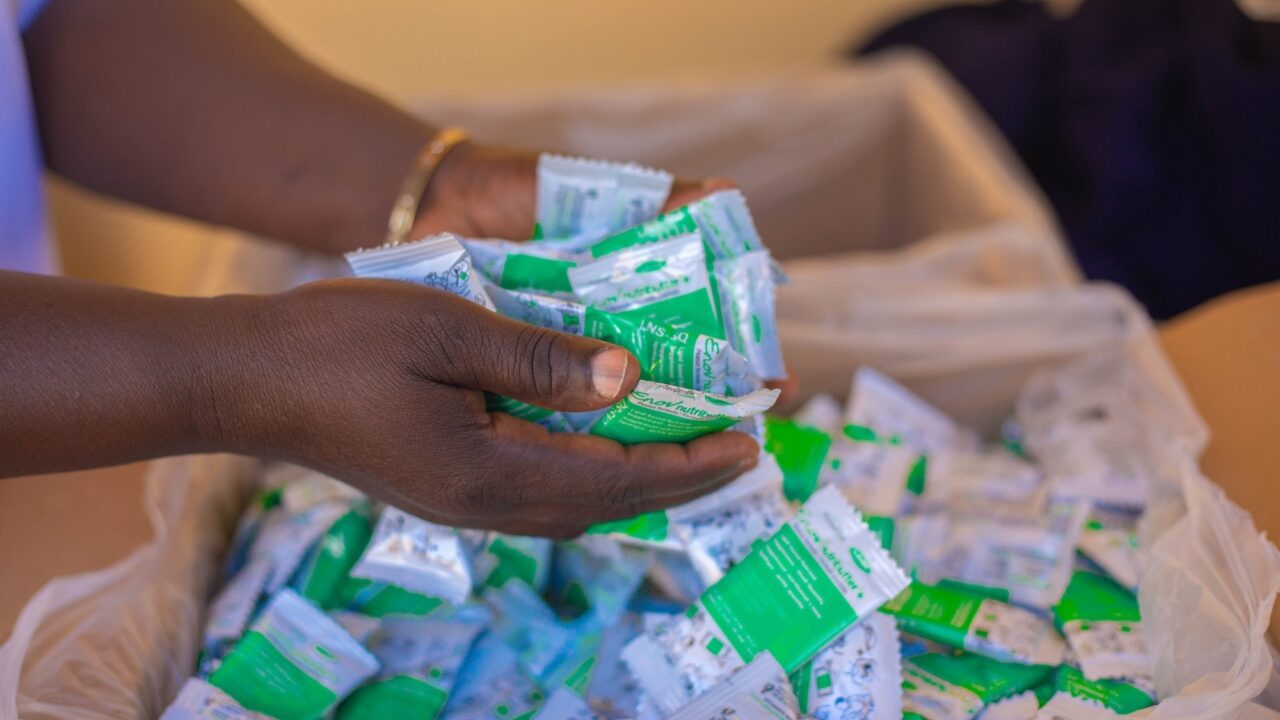
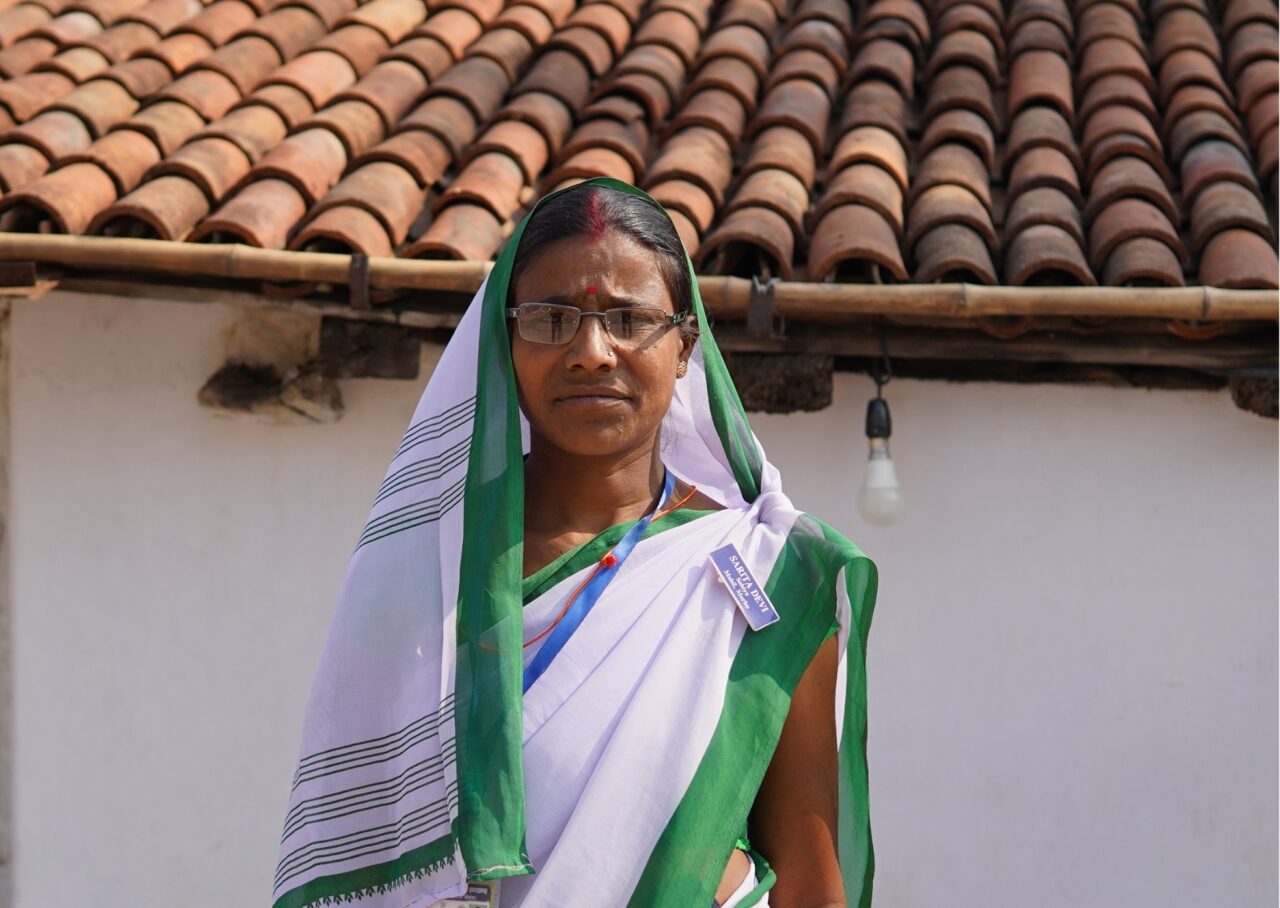
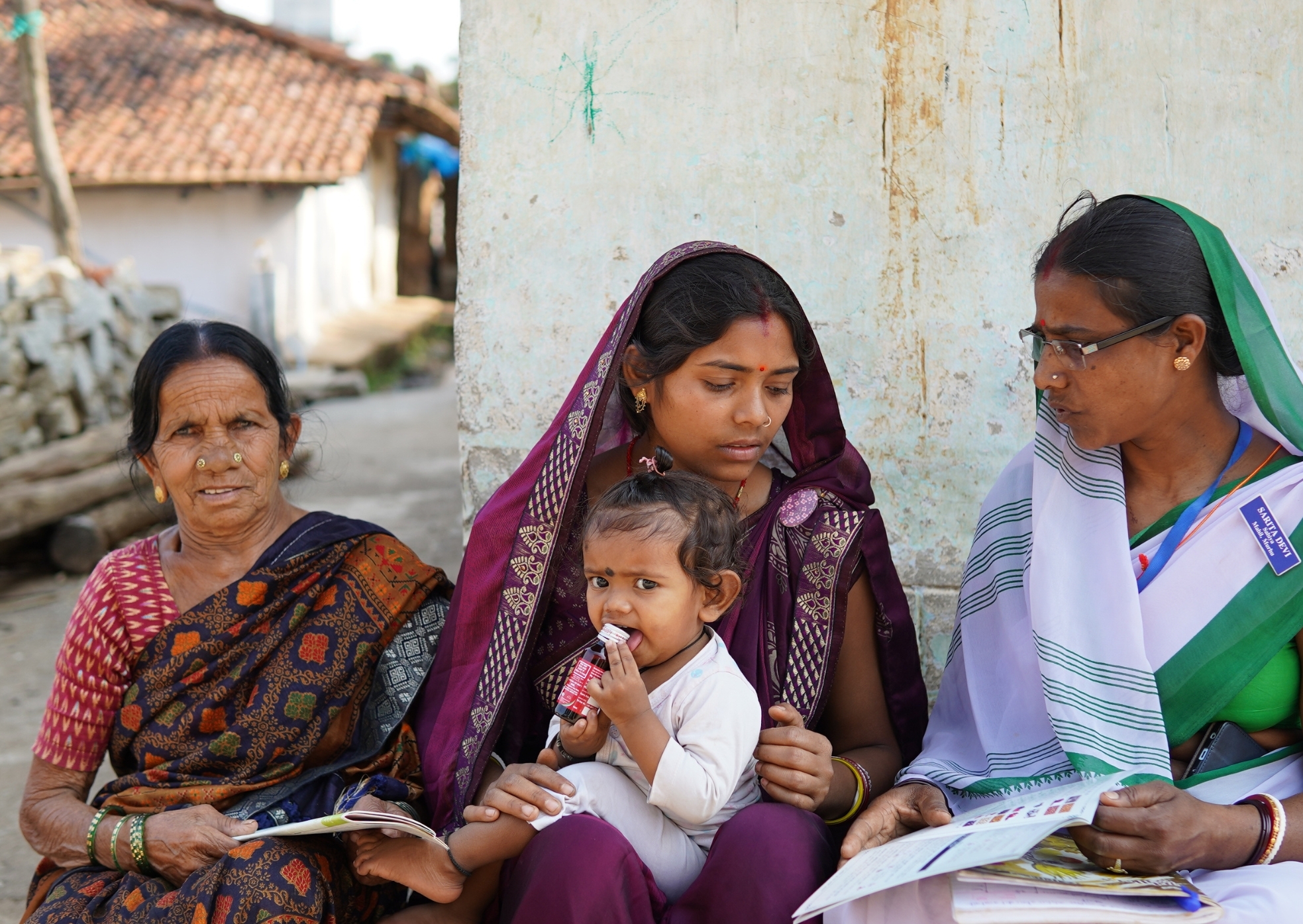
Sarita Devi is one of these Sahiyas. She helps prevent childhood anemia by distributing iron and folic acid (IFA) supplementation as part of Evidence Action's Equal Vitamin Access program. Sarita's work helps determine the health and future of the children in her community.
Why This Matters: Scale of Childhood Anemia in India
Iron deficiency anemia is a leading cause of childhood malnutrition and disability. It is one of the most common, and preventable, childhood health conditions in India, with some of the highest rates concentrated in areas like Khunti. Anemia robs children of their energy, weakens their immune systems, and undermines the development they need to learn and grow.
The treatment is simple — weekly iron and folic acid supplementation — and costs just pennies per dose. Getting those weekly doses into the hands and mouths of young children across vast rural communities is far more complex.
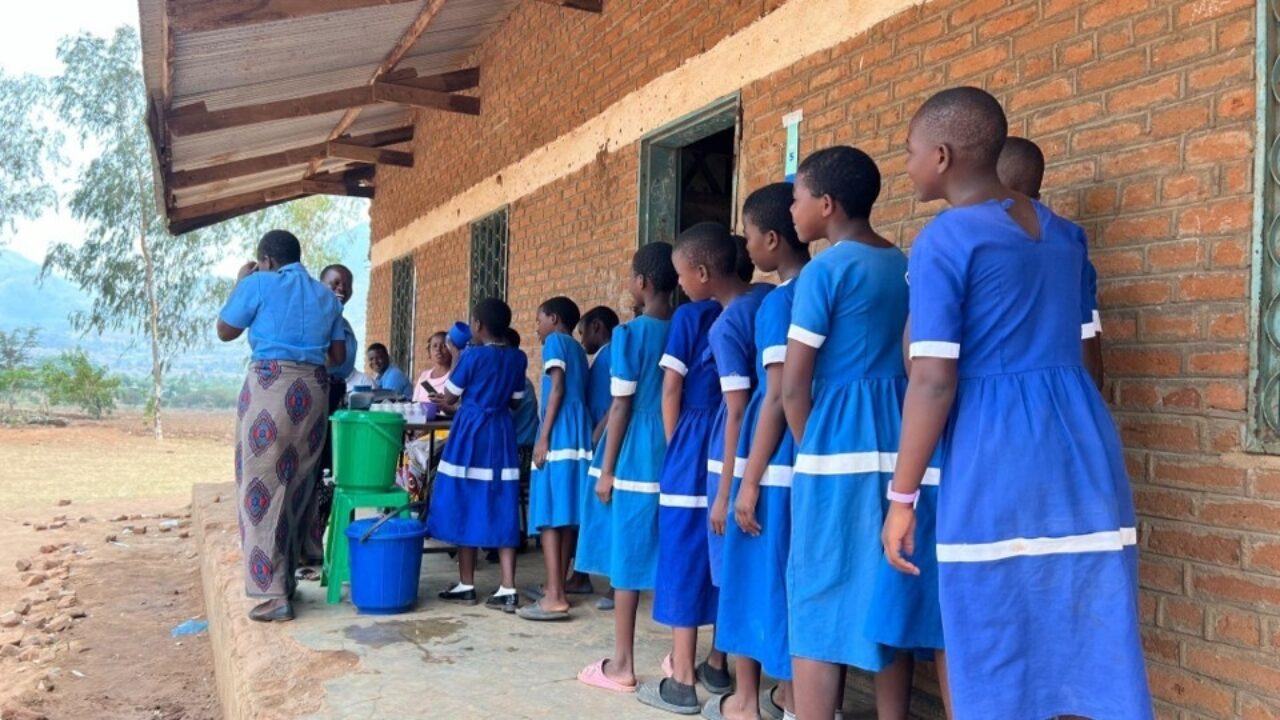
Evidence Action's Equal Vitamin Access program partners with the government to provide weekly IFA supplementation to children aged 6 months to 19 years old at community health centers and in schools.
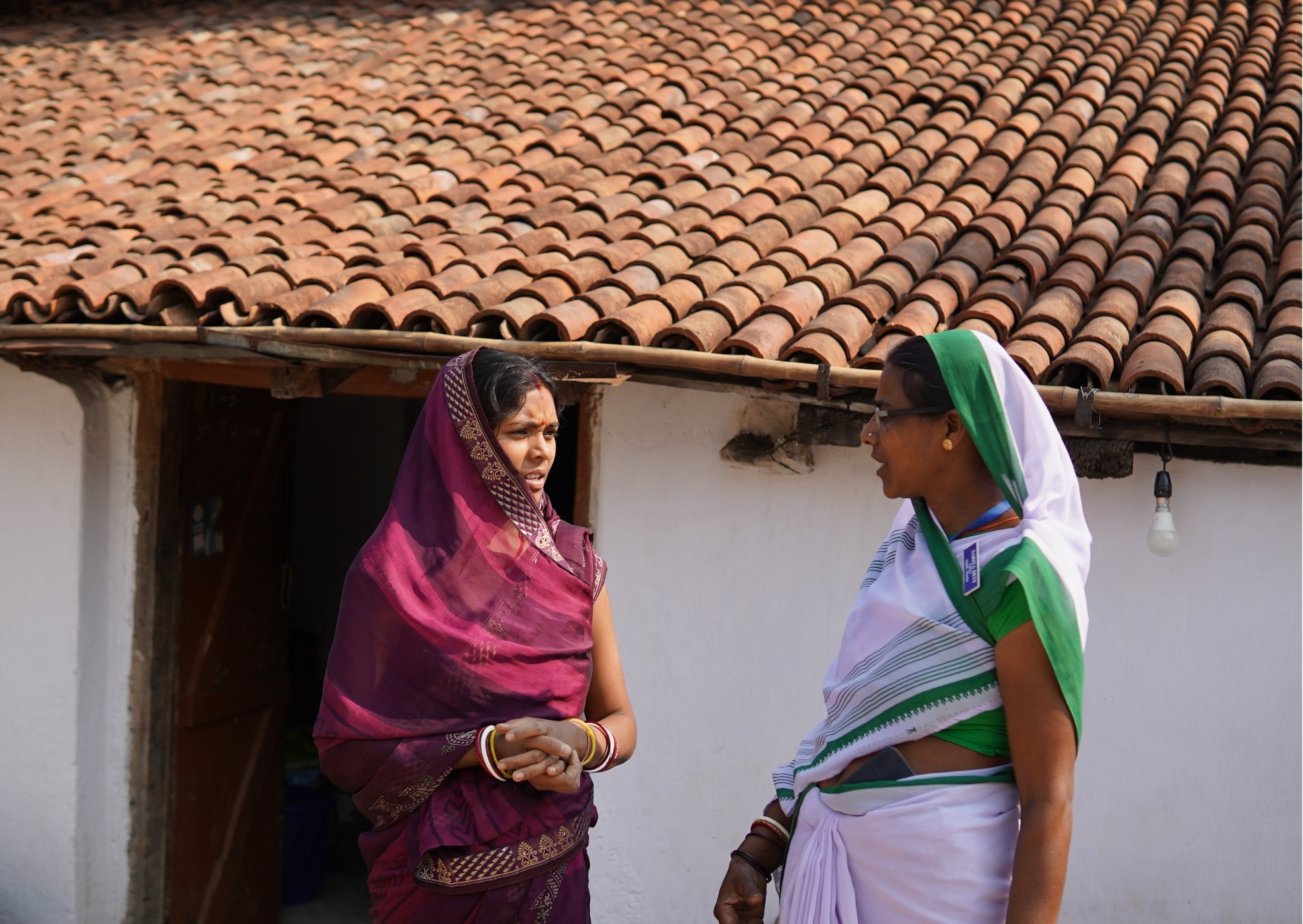
For children under five, IFA isn't distributed at school as it is for older kids. It happens through Anganwadi Centers — community-based hubs that provide nutrition, early childhood education, and health services to young children and mothers — and through home visits by workers like Sarita. Sarita sits with mothers and caregivers and explains why this small bottle of IFA syrup matters for their child's future.
Families were skeptical. Some refused to open their doors. Others had heard rumors about side effects. Sarita faced resistance at every step, but she kept going — patiently addressing fears, correcting misconceptions, and breaking down complex health information into conversations families could trust.
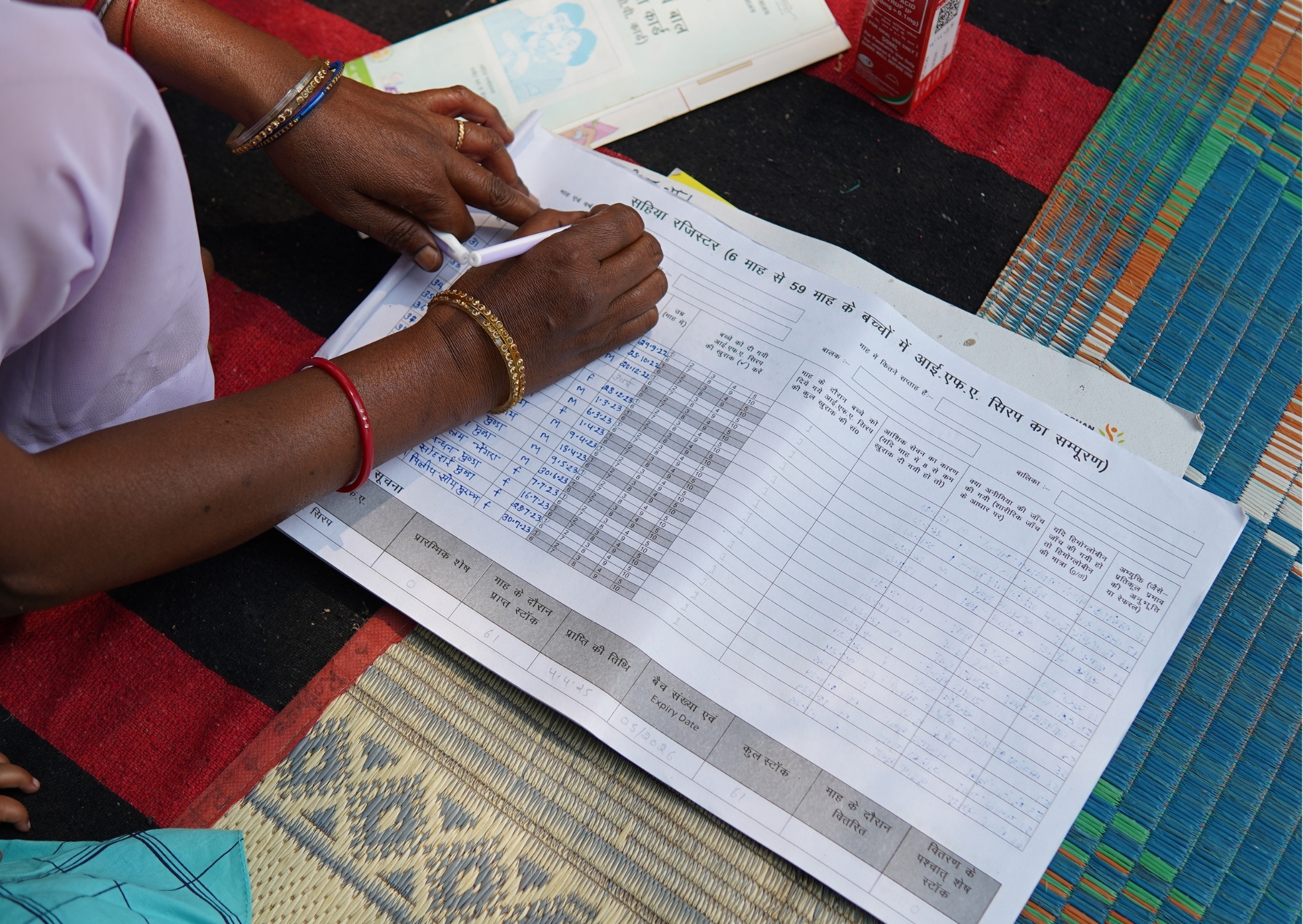
Sarita kept careful records of every child receiving IFA syrup, turning data into a tool for accountability and proof that the program was making a difference.
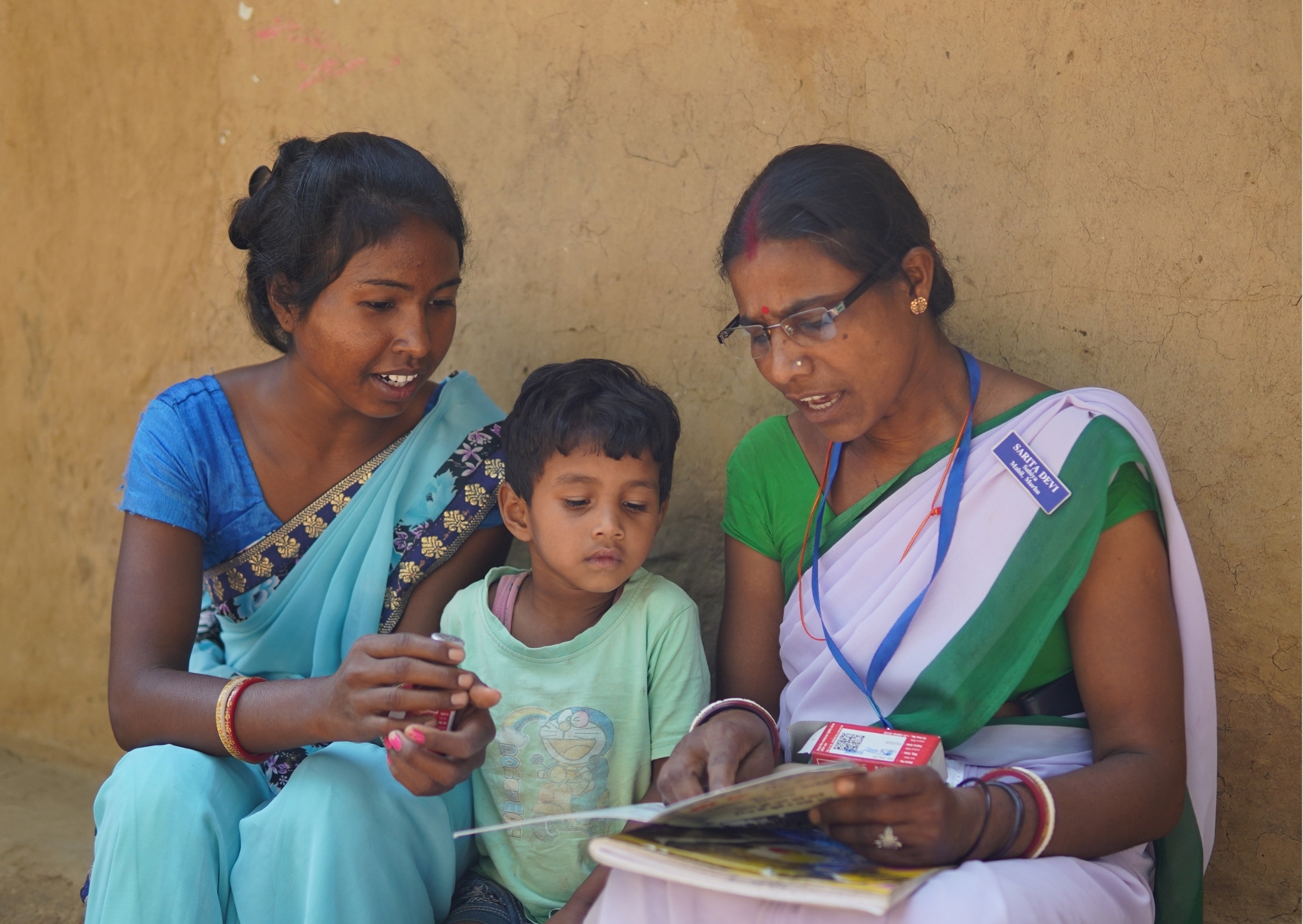
Her persistent engagement helped families understand why IFA syrup supplementation twice a week matters — not as an abstract health recommendation, but as something connected to whether their children have the energy to play, the focus to learn, and the resilience to stay healthy.
Reaching young children at home requires navigating a web of logistical, informational, and interpersonal challenges that no single policy change can solve.
It takes people. It takes Sarita.
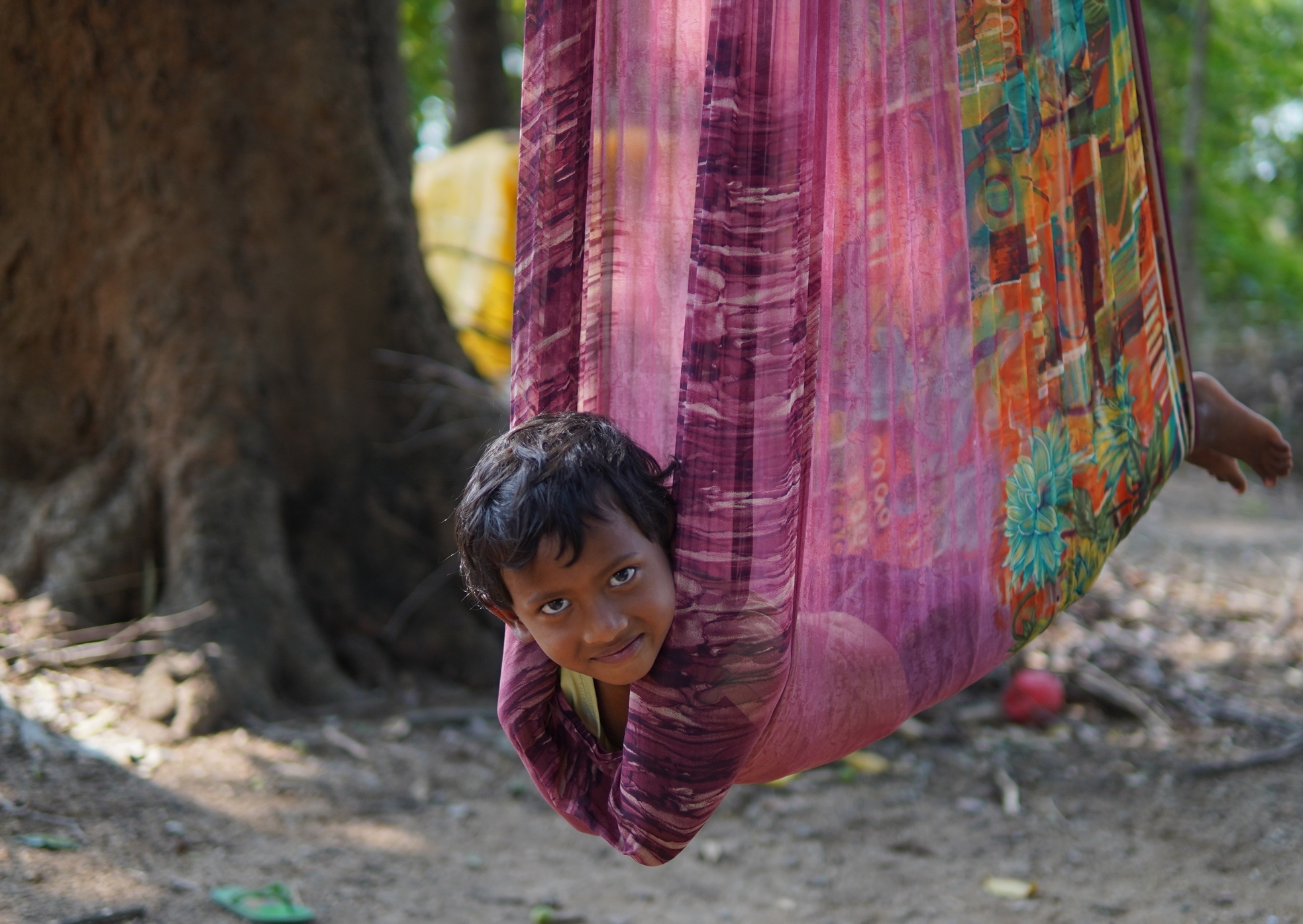
Slowly, things began to change. Children who once struggled with low energy and poor weight gain are now more active and thriving. Former skeptics are now Sarita's strongest advocates — mothers who once turned her away now remind their neighbors when it's time for the next dose.
"It brings me great joy to guide mothers on the importance of iron supplementation... Sharing this knowledge with my community is deeply fulfilling.
What Your Support Makes Possible
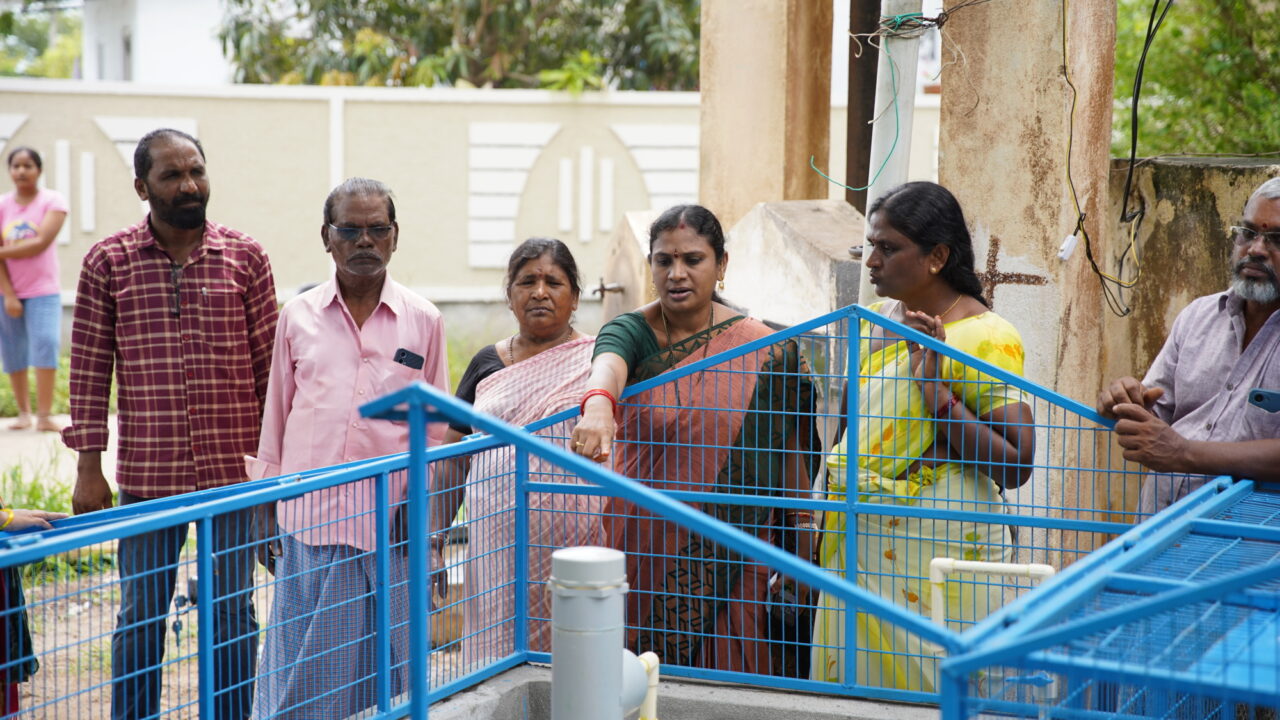
Evidence Action works with the governments of India and Malawi to strengthen and support anemia prevention programs. We provide wraparound technical assistance to fix supply chains, train health care workers, improve data systems, and build the kind of capacity that supports sustained change.
In India, women like Sarita help ensure this health solution reaches the children who need it. Your investment supports the systems and the people behind them — ensuring that a proven, low-cost intervention actually reaches the tens of millions of children who need it.
Donate NowEvidence Action's work in India is supported by EAII Advisors, our technical partner in India.