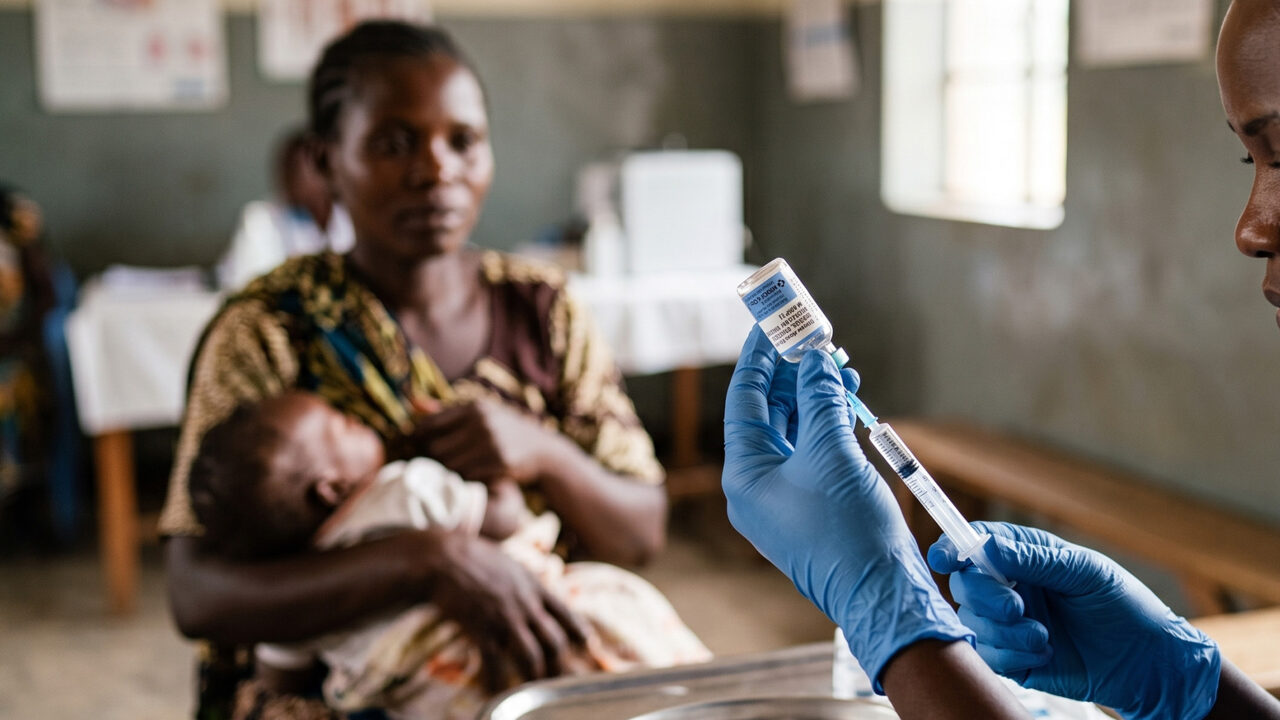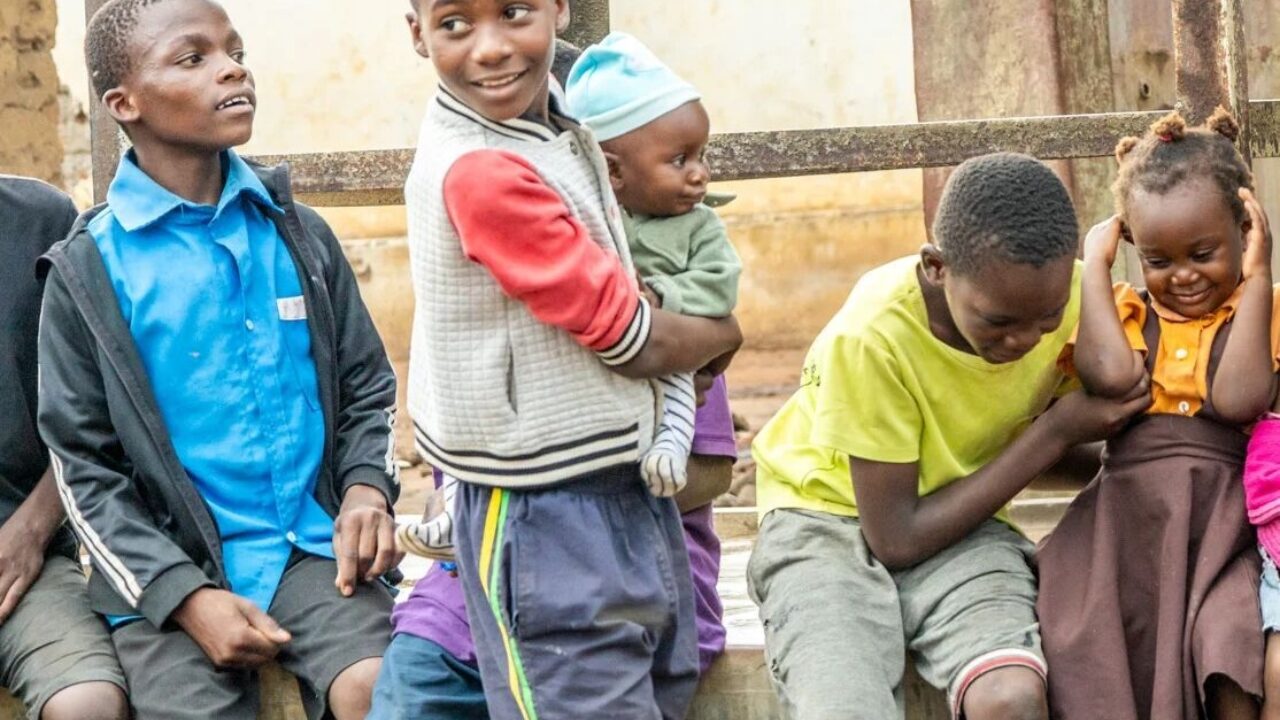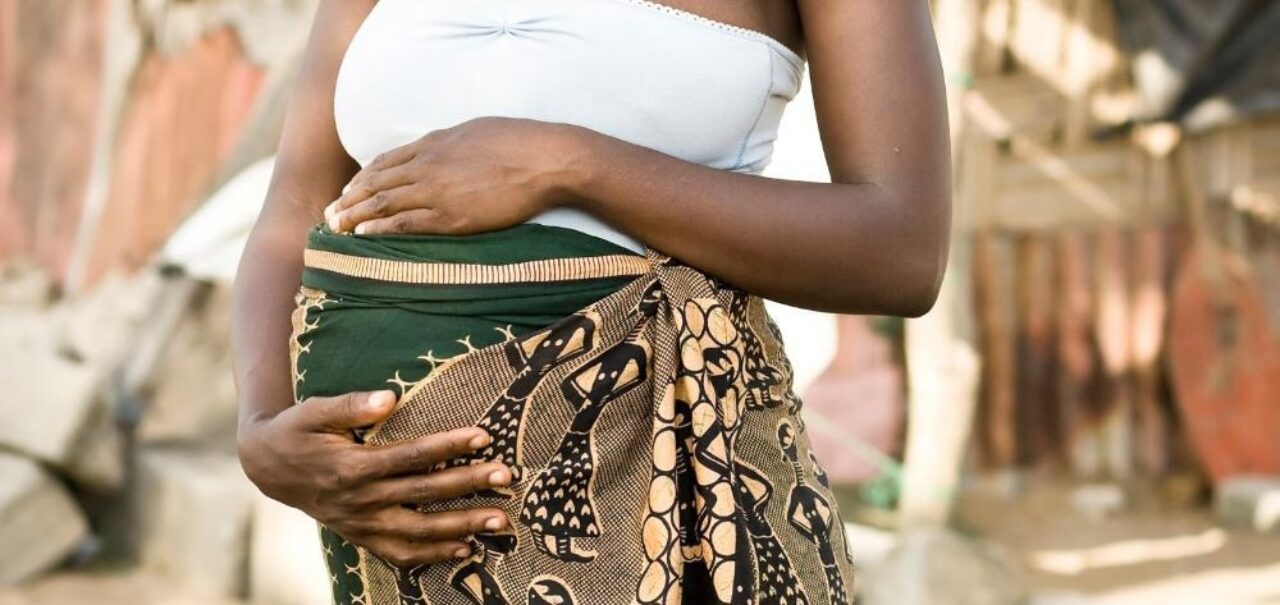
In 2023, syphilis testing during pregnancy in Zambia depended largely on chance — whether a clinic had test kits in stock, whether staff were trained to use them, and whether follow-up systems worked.
At Shampande Clinic in rural Southern Province, just 4% of pregnant women were screened. At the same time, an estimated half a million dual HIV/syphilis test kits sat unused and expiring in health facilities across the country — procured but idle due to gaps in training, supply coordination, and program oversight.
Recognizing both the need and opportunity, Zambia’s Ministry of Health sought to integrate dual testing into routine antenatal care. To accelerate progress, the Ministry partnered with Evidence Action to provide technical assistance: hands-on facility training, supply chain strengthening, and data-driven monitoring.
Shampande Clinic was among the first sites to receive this support. The first cohort of healthcare workers was trained in August 2024, and within months the transformation was evident. By 2025, syphilis screening rates at the clinic had reached 100%. The rate of positive detections increased sevenfold, and every woman testing positive received same-day treatment. According to facility staff, the clinic has not recorded a single syphilis-attributed stillbirth since the program began.
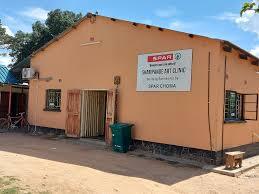
Testing depended on chance: kit availability, staff training, and follow-up systems.
After hands-on training, supply chain integration, and data-driven monitoring.
One nurse described the moment she realized the program's power: A woman returned for her second pregnancy after experiencing a syphilis-attributed stillbirth previously. This time, dual testing enabled early detection and same-day treatment for both her and her partner.
"That pregnancy ended in a healthy delivery, something we attribute to the early detection and intervention."
This transformation at the facility level is reflected nationwide. A comprehensive facility survey conducted in early 2025 found that syphilis screening coverage among trained facilities reached 90% in 2024 – up from a baseline of 45% prior to technical assistance – with 90% of women who tested positive receiving treatment. The program now reaches facilities serving roughly 85% of Zambia's pregnant women, and a follow-up survey planned for early 2026 will assess progress as the program approaches national scale.
Importantly, the 2025 survey also revealed that syphilis prevalence among pregnant women is more than double previous national estimates, underscoring both the urgency of continued investment and the scale of the opportunity for impact.
From an economic perspective, the program’s cost-effectiveness is exceptional: approximately $20 per DALY averted in Zambia, about 60 times more cost-effective than the World Health Organization’s benchmark for high-impact interventions. That translates to substantial health gains for every dollar spent — and a scalable model for other countries seeking to strengthen maternal and newborn health systems.
The Systems Problem We're Solving
Maternal syphilis illustrates a persistent pattern in global health: we have proven interventions, but they don't reach the people who need them most. A single penicillin injection can prevent more than 80% of adverse outcomes, yet testing and treatment rates in many countries remain low.
Part of what makes this intervention so neglected is syphilis's invisibility. Most women never know they're infected — the infection is largely asymptomatic, with physical signs that appear briefly and resolve on their own. Babies born with disabilities from congenital syphilis (blindness, deafness, physical deformities) typically aren't diagnosed as having syphilis-caused conditions. This invisibility has kept maternal syphilis off priority lists despite its extraordinary tractability and the devastating outcomes it causes.
The gap in Zambia wasn't about clinical knowledge alone, commodity availability alone, or data systems alone. It was about how these elements intersect at the last mile. Testing was slow and unreliable. Treatment was delayed or missed entirely when women left facilities before results returned. Supply chains failed at the last mile because syphilis commodities weren't integrated into HIV supply pipelines. Data systems couldn't distinguish real gaps from recording errors.
The Ministry of Health recognized these problems. What they needed was a partner who could help diagnose bottlenecks systematically, co-design solutions that worked within existing infrastructure, and build capacity for independent operation at scale.
Sustaining the Momentum: A Proven Model, Poised for Scale
The success at Shampande Clinic and across Zambia is not an isolated story — it represents a model that is working across countries and ready to reach millions more.

National coverage of syphilis testing in pregnancy has grown from 8% to 88%, and 94% of women testing positive now receive treatment. Four of the country's fifteen counties have already graduated to full government ownership, and the rest are preparing to transition.

The Ministry of Public Health has led a rapid expansion of dual HIV/syphilis testing, with national data systems now capturing results in real time — enabling the Ministry to plan expansion to 1,000 additional facilities with support from Global Fund, PEPFAR and other partners.

This year, we’re bringing Syphilis-Free Start to Côte d’Ivoire, where we expect to reach 3.6 million pregnant women and prevent more than 17,000 adverse birth outcomes over the next five years.
With support from Pivotal’s Action for Women’s’ Health initiative, launched by Melinda French Gates, we’re also catalyzing a broader ecosystem of collaboration: governments leading national scale-up, new partners joining, and major funders aligning behind a rare, tractable opportunity to eliminate congenital syphilis.
The Challenge Ahead
The opportunity is immediate: many countries are already procuring dual HIV/syphilis tests but need targeted support to deploy them effectively. The foundation is in place — trained providers, functioning systems, reliable data, and a track record of measurable results across diverse health system contexts.
The challenge now is scale. How quickly can we bring this lifesaving approach to the millions of pregnant women still at risk of a preventable infection? Can expansion happen at the pace the evidence supports?
The program remains one of the most cost-effective opportunities in global health — a rare chance to save lives, strengthen systems, and close a long-ignored gap in women’s health.