Our work in Tanzania
We're supporting Tanzania to eliminate parasitic worms as a public health problem through precise, evidence-based technical assistance
Our Deworm the World program launched in Tanzania in 2026, working within existing government systems to build low-cost, sustainable neglected tropical disease (NTD) programs.
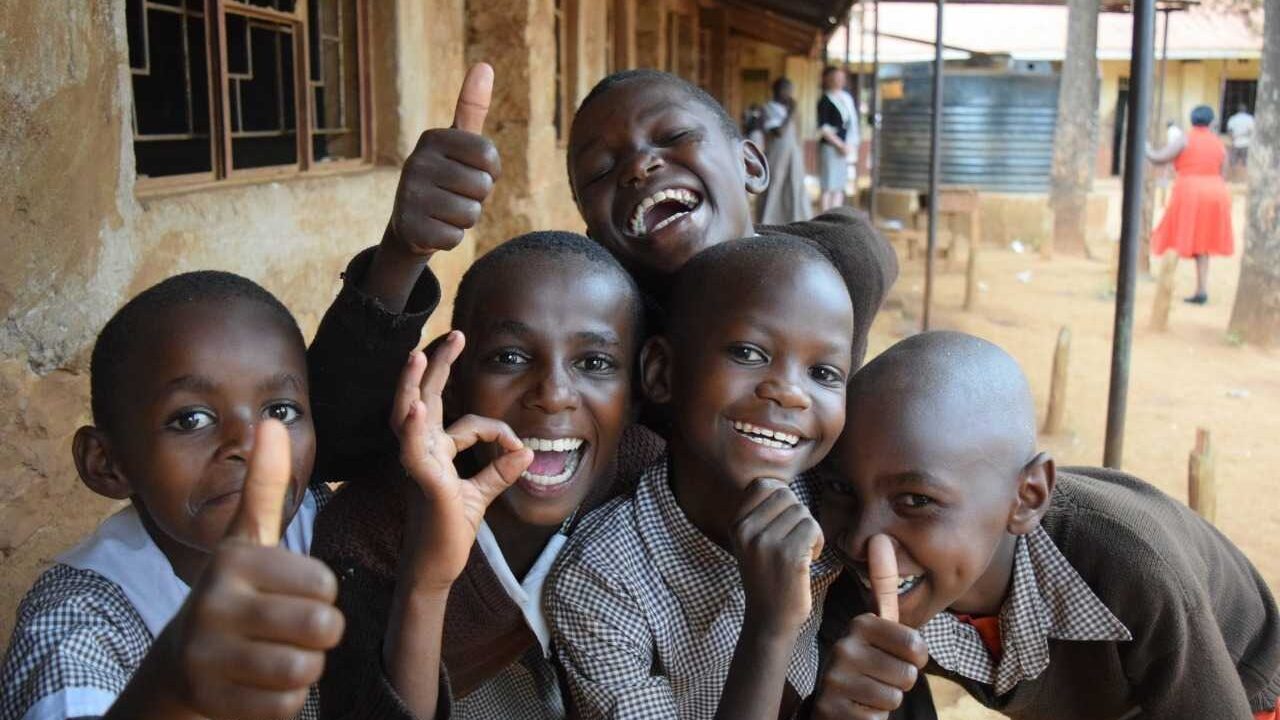
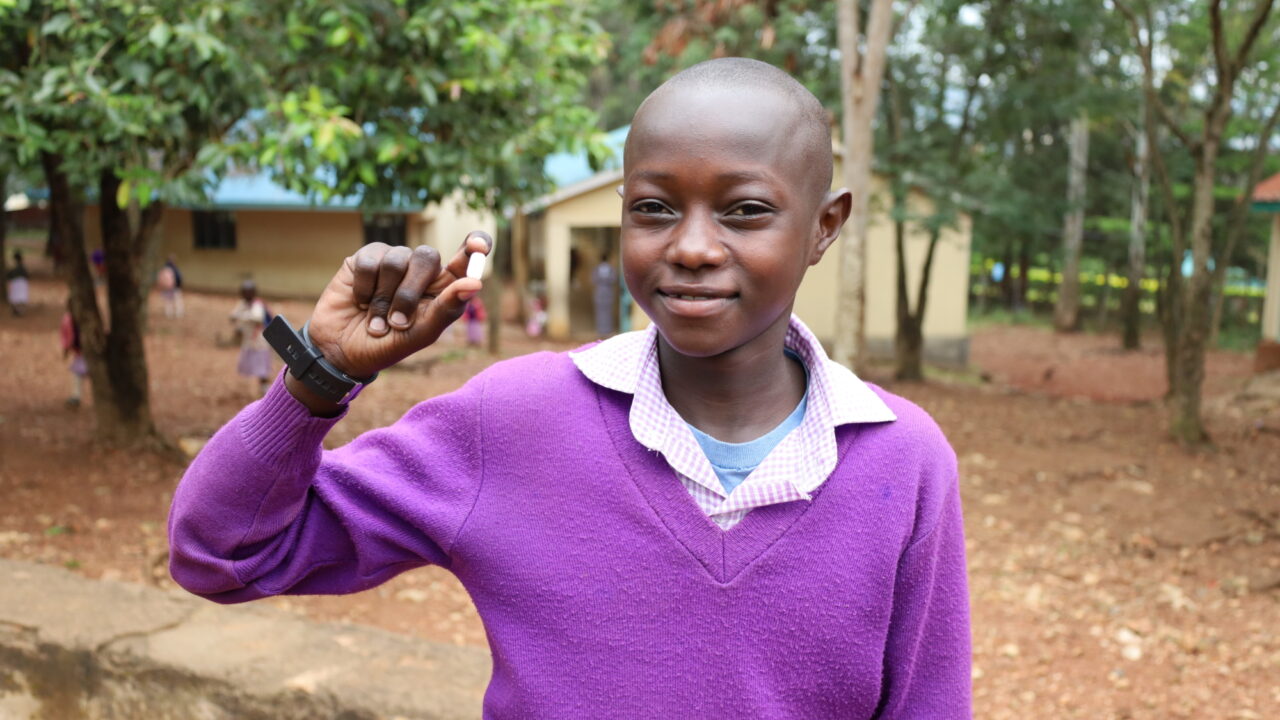
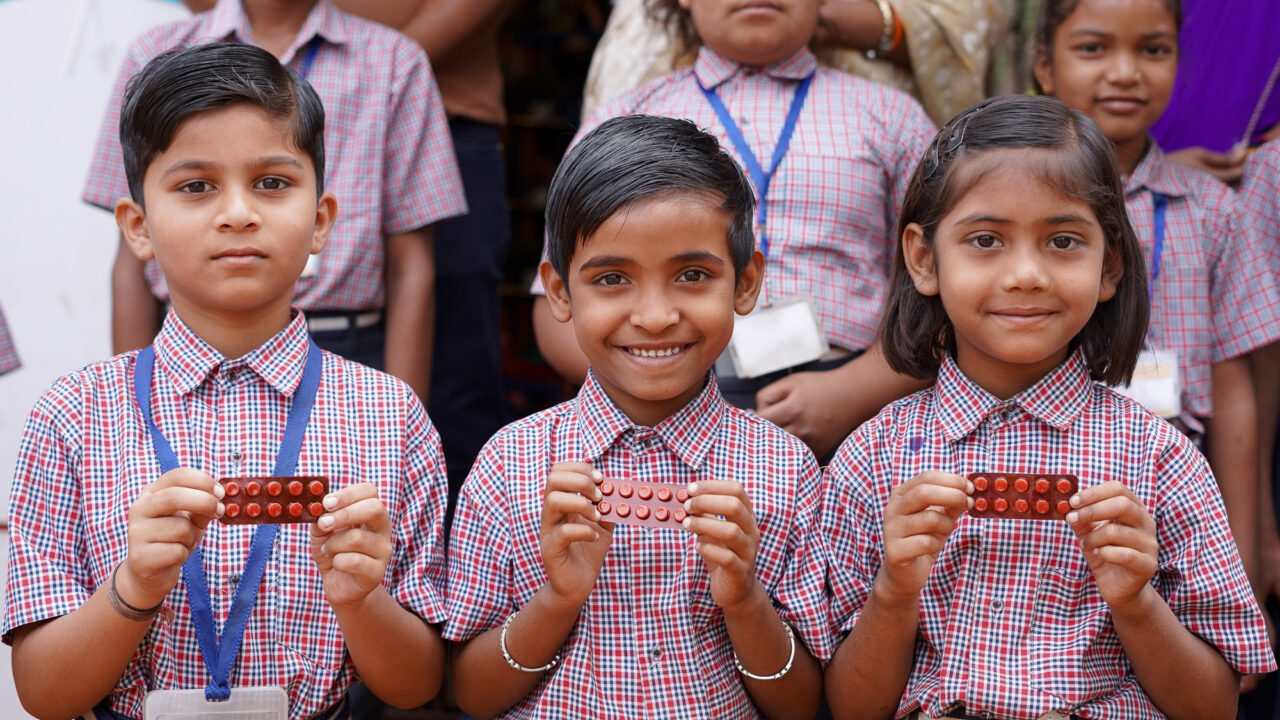
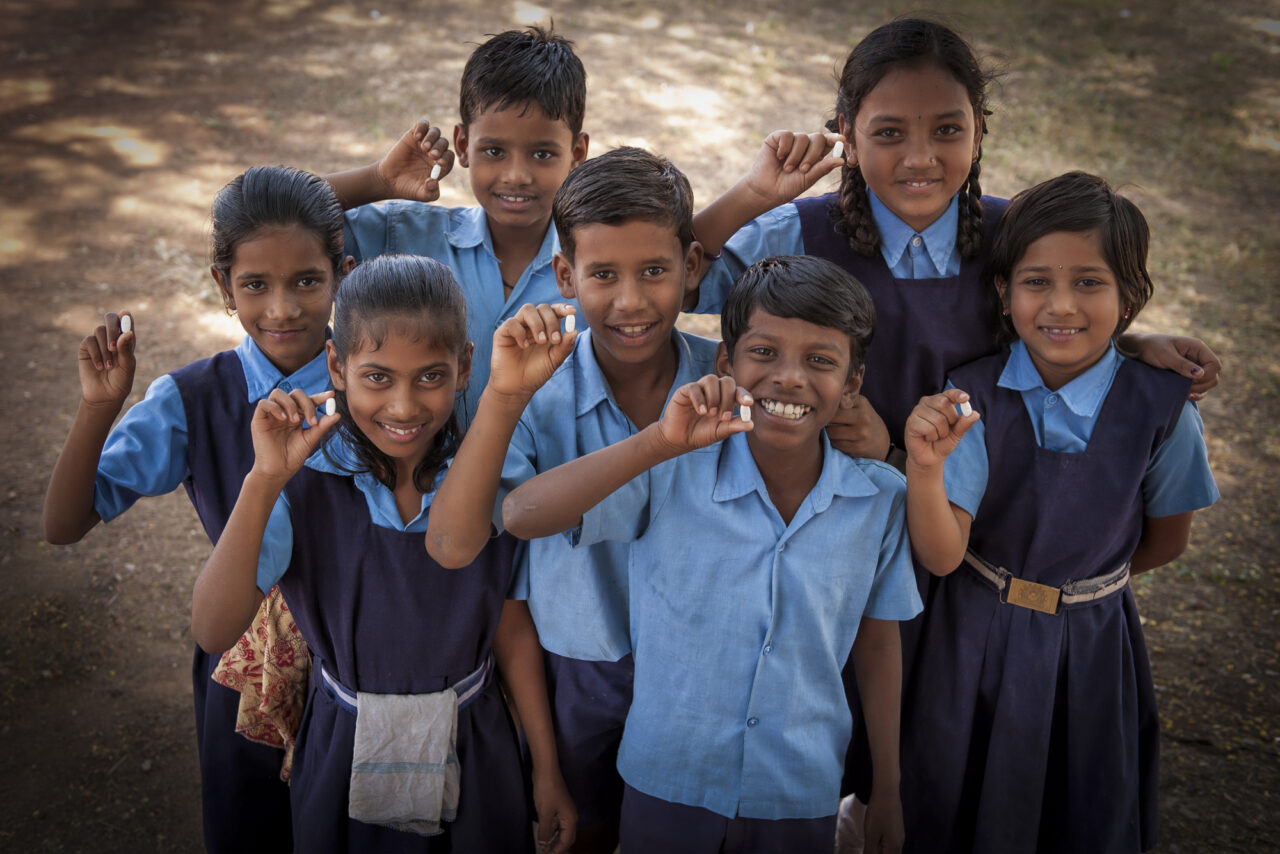
We work closely with the Government of Tanzania to combat parasitic worm infections, including schistosomiasis and soil-transmitted helminths, saving and improving the lives of over 10 million Tanzanian children currently at-risk or infected with parasitic worms.
Children infected with worms are often too sick or weak to attend school because their bodies can’t properly absorb nutrients. If left untreated, worm infections lead to anemia, malnourishment, impaired mental and physical development, and severe chronic illnesses.
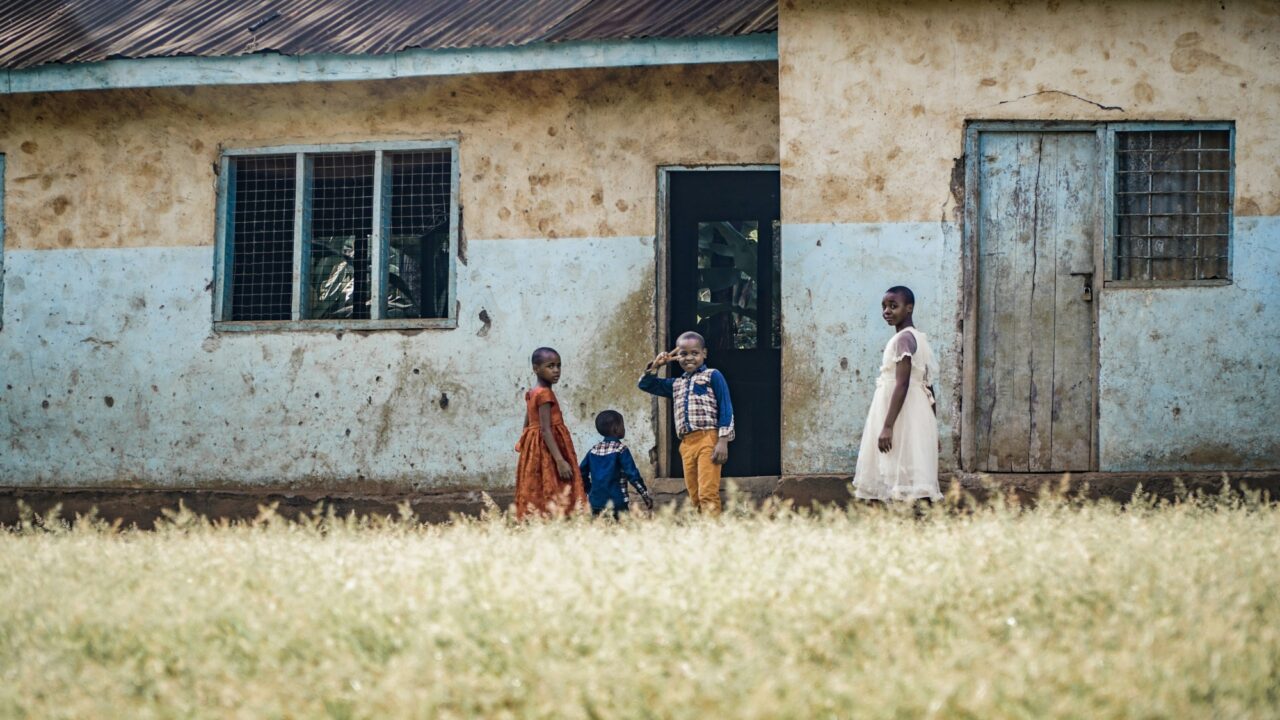
We aim to reach millions of children in Tanzania through our Deworm the World program.
- 10M+
- Tanzanian children at-risk or already infected with parasitic worms
- <$0.50
- average cost per treatment
- 11X
- more effective than direct cash based on internal cost-effectiveness estimates
A different kind of partnership
Tanzania has been building toward government-led NTD programs since 2021. When external funding ended in early 2025, the government was already piloting decentralized delivery and integration with other health campaigns — but lacked the critical data needed to direct resources effectively.
Tanzania’s government has historically targeted all school-age children across 184 district councils nationwide for treatment. Rather than supporting traditional mass treatment campaigns, our technical assistance focuses on what Tanzania needs most: the evidence to make their own program more sustainable and cost-effective.
We anticipate that comprehensive survey results will enable Tanzania to reduce the number of districts requiring mass treatment by 50%, freeing resources for other health priorities while ensuring children in high-burden areas receive the care they need.
Our technical assistance approach
Nationwide impact assessment
Supporting a comprehensive impact assessment survey using model-based geostatistics in partnership with Lancaster University. This will provide Tanzania with precise, up-to-date data on where worm infections remain — replacing baseline data from 2004.
Evidence-based treatment strategy updates
Helping reshape the national treatment strategy based on survey results. Early evidence from a 2024 study across five districts shows dramatic variation — from 3.4% prevalence in some areas to 63.3% in others. With better data, Tanzania can target resources where children need them most.
Technical and policy document development
Supporting the national government in creating and updating technical guidelines and policy documents to ensure evidence-based, sustainable deworming approaches aligned with WHO standards.
Integration strategy development
Conducting deep dives into integration opportunities — such as combining deworming with Vitamin A campaigns and other health interventions — to build more efficient, cost-effective delivery models.
Essential treatment materials
Supporting essential materials for treatment campaigns, including printed treatment guidelines for teachers, recording booklets for schools, and dosing tapes for accurate treatment — keeping implementation costs strategic while the government conducts its own mass drug administration.
What health programs does Evidence Action support in Tanzania?
We provide technical assistance for health interventions that have significant impact on the lives of children in Tanzania.

Our Partners
Evidence Action collaborates with Tanzania's Ministry of Health, Community Development, Gender, Elderly and Children and President's Office, Regional Administration and Local Government (PO-RALG).
Evidence Action's work in Tanzania is made possible through generous support from Founders Pledge.