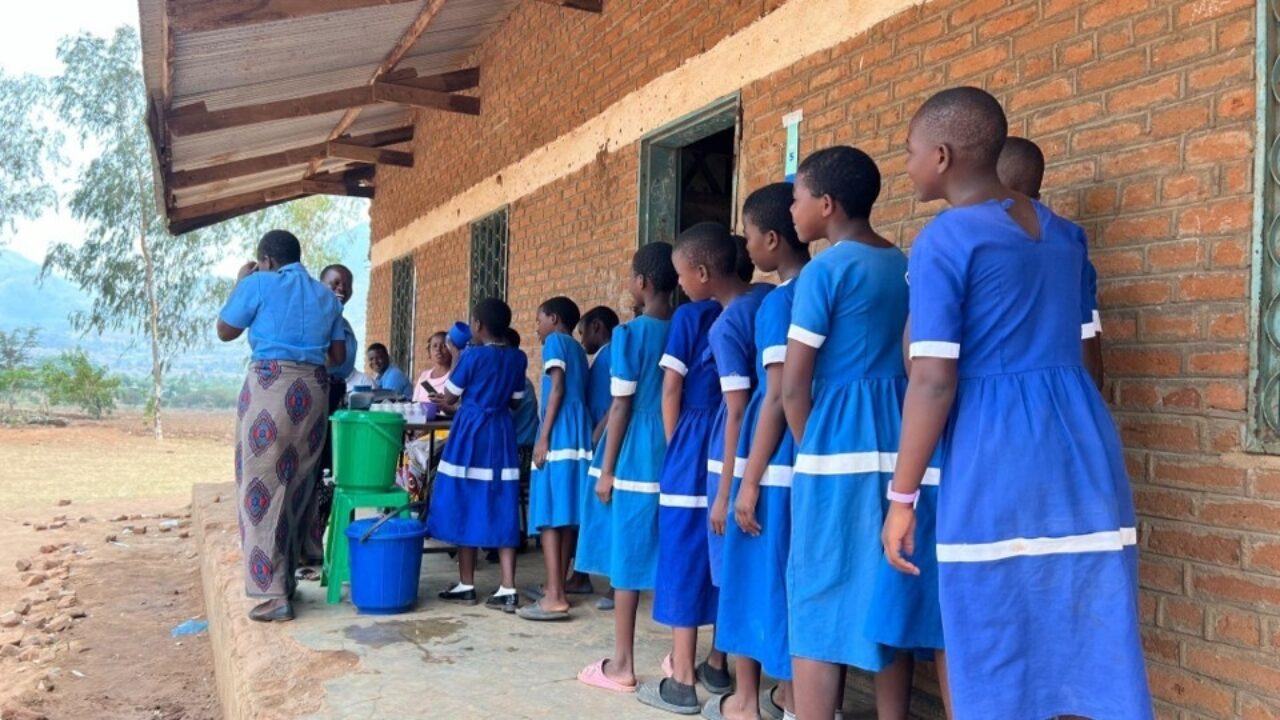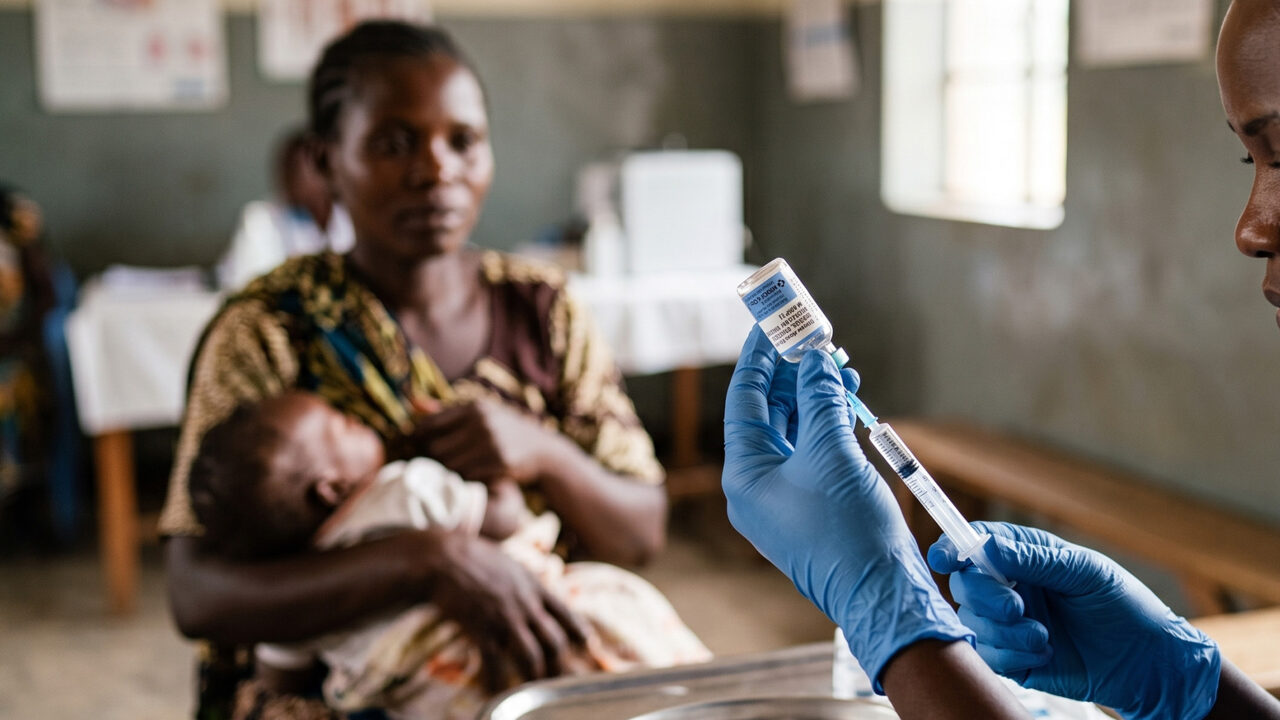
When USAID stepped back from supporting neglected tropical disease (NTD) programs in Tanzania, it left a daunting gap.
For years, U.S. funding had underpinned the country’s NTD effort. But as of early 2025, Tanzania found itself with no external support to tackle soil-transmitted worms and schistosomiasis — two parasitic infections that currently affect more than 10 million children in the country.
This wasn’t a gradual phase-out or planned transition. USAID’s NTD funding simply ended. Programs around the world that had treated millions of children annually faced an immediate choice: Collapse, or completely reimagine how they operate.
Instead of scaling down, Tanzania chose the harder but more sustainable path: to own more of its deworming program, decentralize delivery to individual districts, and integrate with existing health campaigns. Evidence Action is now the only partner supporting this effort nationwide, providing technical assistance to help the government target areas with the highest burden and make the most of their NTD investment.
The human impact of neglected tropical diseases
Parasitic worm infections cause fatigue, abdominal pain, and interfere with nutrient uptake – leading to anemia, malnourishment, and impaired mental and physical development that makes it harder for children to attend or concentrate in school. Schistosomiasis, a specific type of NTD, spreads through contact with infected water sources, also causes nutrient impairment, with heavy intensity infections causing permanent damage to organs.
But deworming changes this trajectory. Since 2014, Evidence Action’s Deworm the World program has helped deliver more than 2 billion treatments to children at less than 50 cents each on average.
The case for deworming – both evidence and impact – is clear:
- $23 billion in lifetime productivity gains, as healthier children become healthier, more productive adults.
- 198 million treatments delivered in 2024 alone across five countries.
- Worm infections reduced by at least 48% – and in some areas, by as much as 97%.
For families, this means fewer hospital visits and more money saved. For children, it’s the chance to reach their full potential – staying in school longer, learning more effectively, and earning significantly more as adults.
What has changed since USAID’s exit?
USAID’s sudden departure forced Tanzania to accelerate changes that were already underway. What emerged was not just survival – it was innovation that could reshape how countries around the world approach NTD programs.
1. Shift to government-owned programs
Since 2021, Tanzania has been building a decentralized system to integrate NTD interventions into the essential health package by tasking the councils of each of the country’s 184 districts to budget for their own deworming campaigns. The government set an ambitious target: Finance 60% of NTD interventions with domestic resources by 2026. This foundation meant Tanzania could adapt quickly – leading its own program rather than waiting for donor direction.
2. Smarter delivery through integration
Tanzania is pioneering integrated delivery that could dramatically cut costs. In June 2025, deworming treatments were delivered alongside a Vitamin A campaign in three districts—an approach that allows one health worker, in one visit, to tackle multiple health needs. Integrations using existing infrastructure drive efficiency and create sustainable models that other countries can replicate.
3. Continuing blanket coverage — while preparing for targeted delivery
Tanzania is moving from blanket treatment to precision targeting. Currently, all 184 districts and 10 million children are targeted for treatment – even in areas where recent surveys show infection rates as low as 3.4%. Meanwhile, some districts have rates as high as 63%. An upcoming nationwide survey will allow Tanzania to focus treatment only where it’s most needed.
Evidence Action’s role: bringing evidence and focus
Evidence Action’s Deworm the World program works within government systems to build sustainable capacity. In Tanzania, our technical assistance focuses on a critical gap: lack of current data.
- Gathering district-level data and budget planning information ahead of a January 2026 mass treatment campaign to identify which districts can sustain deworming on their own and which will need additional support.
- Conducting a follow-up coverage evaluation survey after the November campaign to assess how many children were actually reached.
- Supporting the first nationwide impact assessment survey in over 20 years, to measure both intensity and prevalence of the disease. This survey uses updated mapping methods and will provide Tanzania with a clear, up-to-date picture of where worm infections remain.
- Reshaping the national treatment strategy based on survey results to target areas with the highest prevalence. This could drastically reduce treatment costs while ensuring resources reach children who need them most.
We anticipate that the results will enable Tanzania to halve the number of districts requiring mass treatment, freeing resources for other health priorities.
Why better data matters
Early (but limited) evidence already demonstrates why this shift in strategy is urgent. A 2024 study across five districts revealed dramatic variation:
- Low overall intestinal worm prevalence (3.4%).
- Significant schistosomiasis hotspots, with infection rates as high as 21.8% in some districts and up to 63.3% in specific communities.
These focalized patterns demonstrate why blanket treatment is inefficient. With updated evidence, Tanzania can protect children in high-burden areas while avoiding unnecessary drug use in low-prevalence zones — ensuring every dollar delivers maximum impact.
A smarter future for aid
This story is about more than Tanzania – it’s a blueprint for the future of aid. Our role is to help governments around the world make the most of the scarce resource for health — directing support to where the returns per dollar are greatest.
In Tanzania, that means shifting deworming from blanket coverage to targeting districts and communities with the highest worm burden, while supporting the government in increasing access to domestic financing for continued treatment where needed.
This approach — evidence-led, government-owned, and precisely targeted — ensures progress doesn’t stall when donors exit. It can even accelerate.
How can you help eliminate worms in Tanzania?
Tanzania is within reach of eliminating worms – but needs a final push.
Continued philanthropic support will allow Evidence Action to stand alongside the Ministry of Health through the end of the decade, supporting the government as it reduces infections and ultimately eliminates these diseases as a public health problem.
Within 4-5 years, we plan to help conduct a final nationwide survey to confirm infection rates have fallen below the threshold requiring mass treatment. At that point, we’ll step back, knowing Tanzania owns the solution.
Your support today provides the evidence and staying power for Tanzania to cross the finish line — unlocking a healthier, more prosperous future for millions of children.