India has brought tap water to most of its rural homes. Making sure that water is safe, and that families trust it enough to drink it, is the harder part.
In a Sept. 11, 2026, op-ed for Hindustan Times, Ankur Garg, Executive Vice President and India Country Director for Evidence Action, argues that community participation should be treated as a core part of how water systems perform, not an awareness activity added at the end of a project.
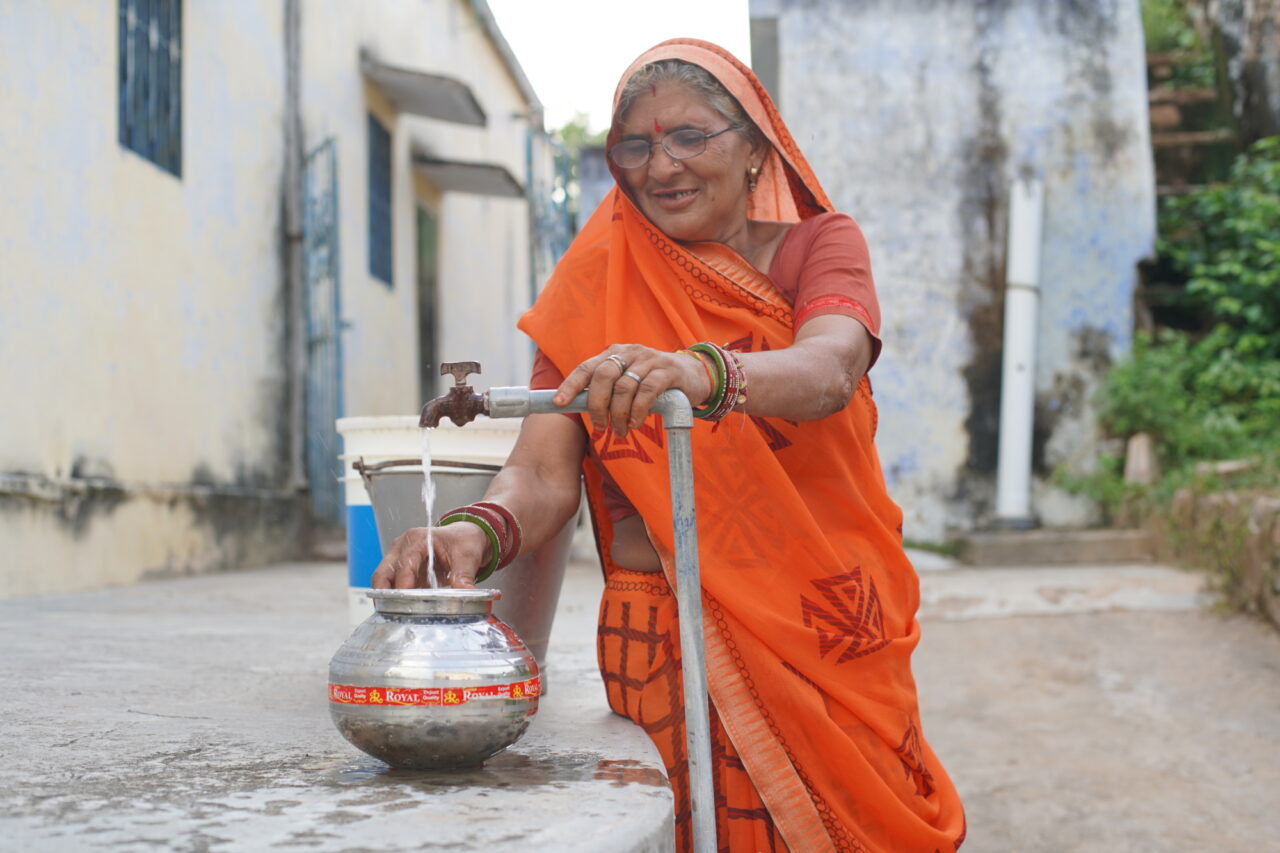
Access has scaled fast. Under the Jal Jeevan Mission (JJM), rural household tap connections rose from 16.7% in 2019 to more than 81% by March 2026, according to government figures cited in the piece.
A tap is not the same as a working service. The 2024 JJM Functionality Assessment, covering nearly 238,000 households in 19,812 villages, found 98.1% had tap connections, but only 76% met its combined criteria for quantity, quality, and regular supply.
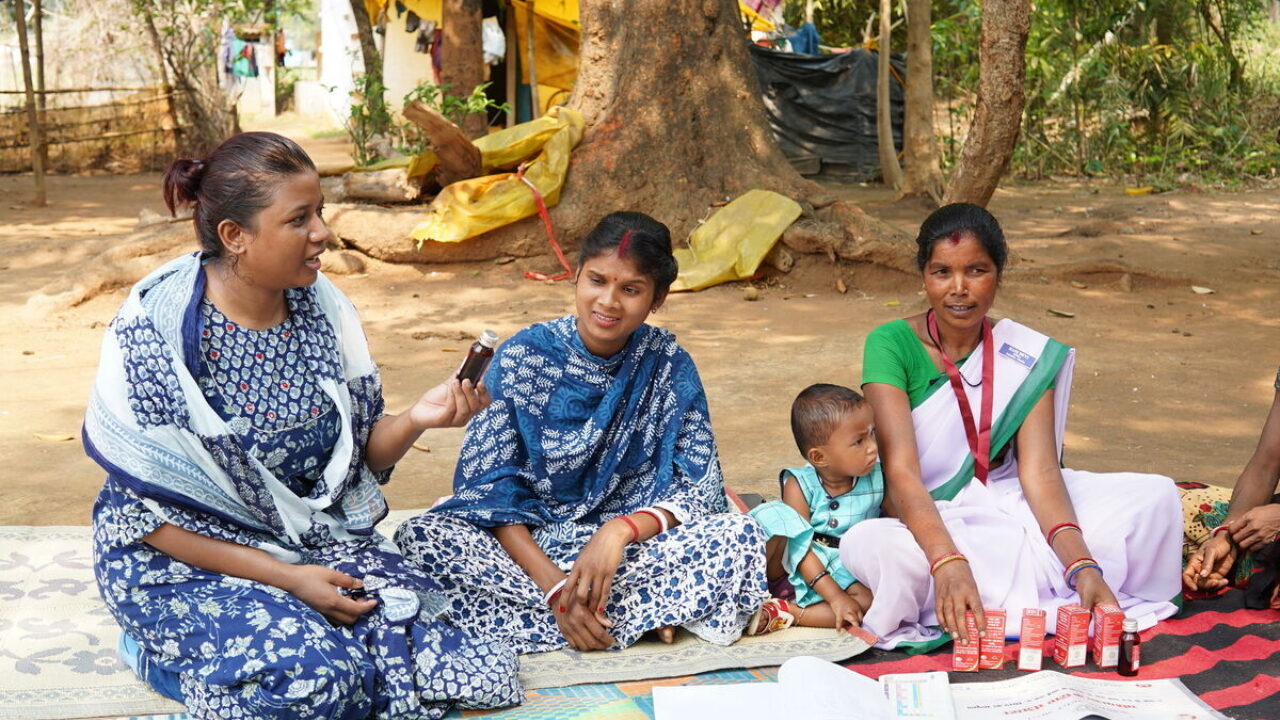
Trust is built by people, not pipes. Ankur describes Bhavani, a pump operator in Enamadala village in Andhra Pradesh, who went door to door to explain why treated water smells of chlorine. Drinking-water use in her village has grown.
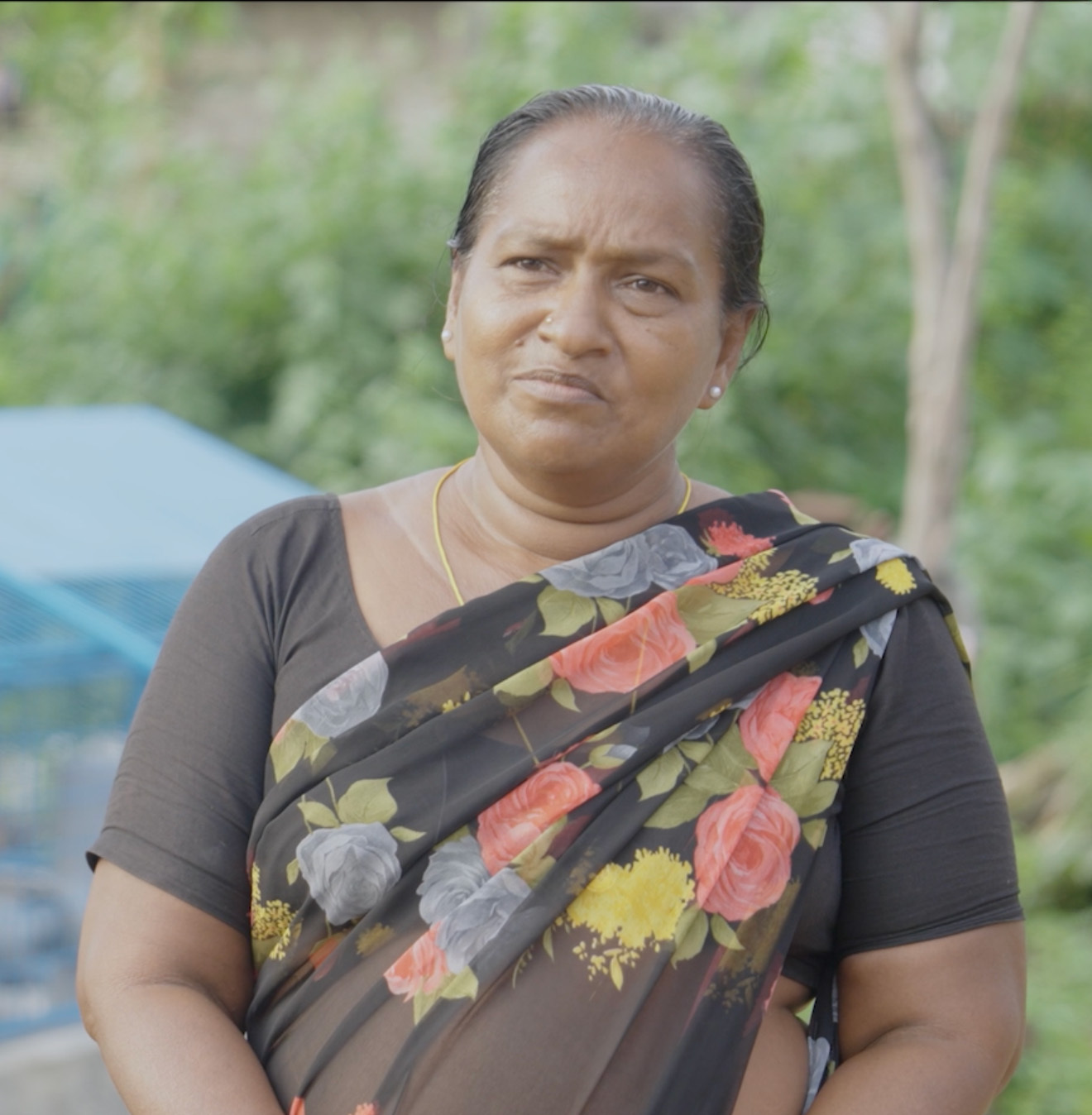
"Now, with the in-line chlorination device, the process is easier, safer, and more effective. Safe drinking water reaches the community, and I have received full support in operating and managing the system."
"A tap connection is an asset. A functioning water system is a service," Ankur writes.
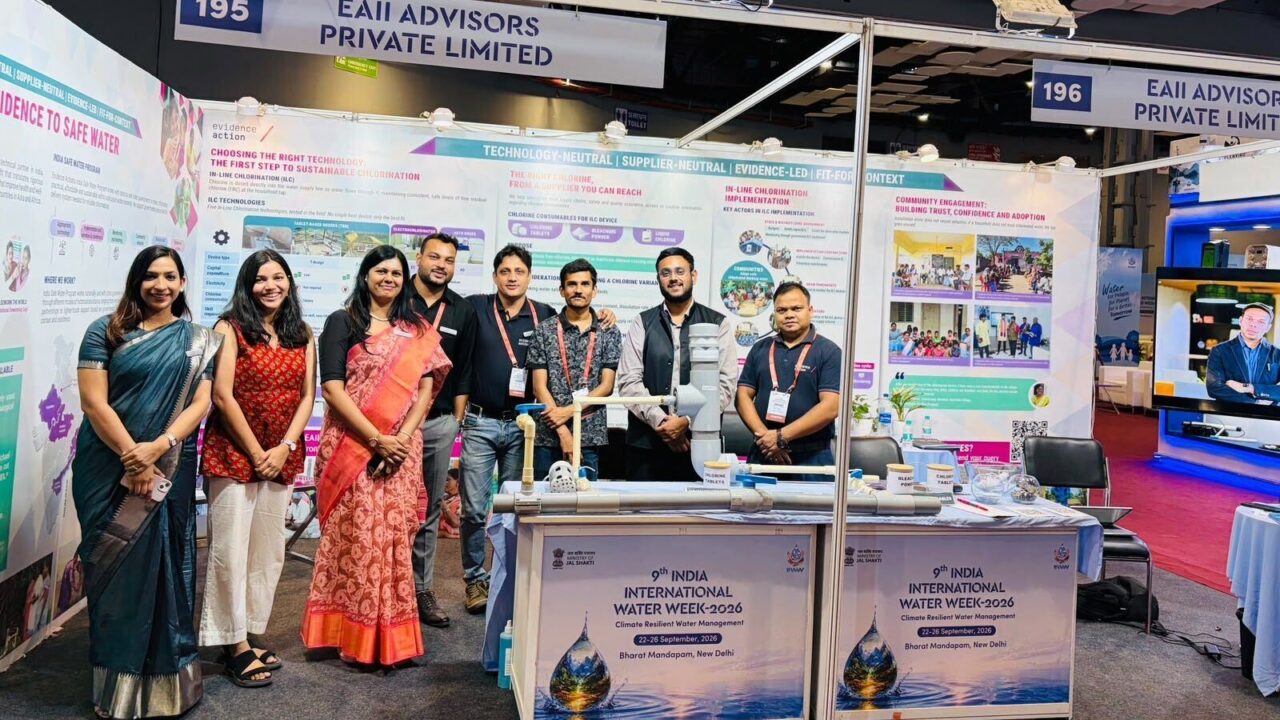
Through our technical partner in India, EAII Advisors, Evidence Action works with government counterparts to support in-line chlorination (ILC) in rural piped-water systems. In Andhra Pradesh, that means supporting the state's Rural Water Supply and Sanitation Department with device installation, operator training, daily chlorine monitoring, and household outreach.
The lesson we take is simple: a proven tool only protects health when people use it. Chlorine in the pipe is the proven part. Getting families to drink from the tap runs through pump operators, health workers, and village leaders, and that is where steady support pays off.