
India
How India’s National Deworming Day grew from a three-state pilot to a program reaching more than 300 million children a year
Ankur Garg, Executive Vice President and India Country Director, shares insights from a decade of deworming: the children most at risk are the easiest to miss, fast data lets states fix gaps early, and support should be built to end.
Read the story →“Deworming is still one of the cheapest levers for school attendance that exists.”
Crawfurd put Deworm the World on his shortlist of 34 organizations he would bet on. A randomized trial in Kenya found 25% less school absenteeism, and 13% higher incomes two decades later.

India
Pipes aren’t enough: Water safety in rural India depends on community ownership
Rural tap connection coverage has grown nearly five-fold in seven years. But a functionality assessment by the Jal Jeevan Mission found only 76% of households surveyed had enough safe water consistently. Trust is also essential — and it’s built by people, not pipes. In Andhra Pradesh, pump operator Bhavani went door to door to explain why treated water smells of chlorine.
Read the story →Chlorination remains among the most cost-effective ways to keep children alive past their fifth birthday. After a decade of running dispensers, we’re sharing what we learned – failures included – so others can improve the model. This year, we’ll support four pilot partners in Nigeria and Ethiopia.

Liberia
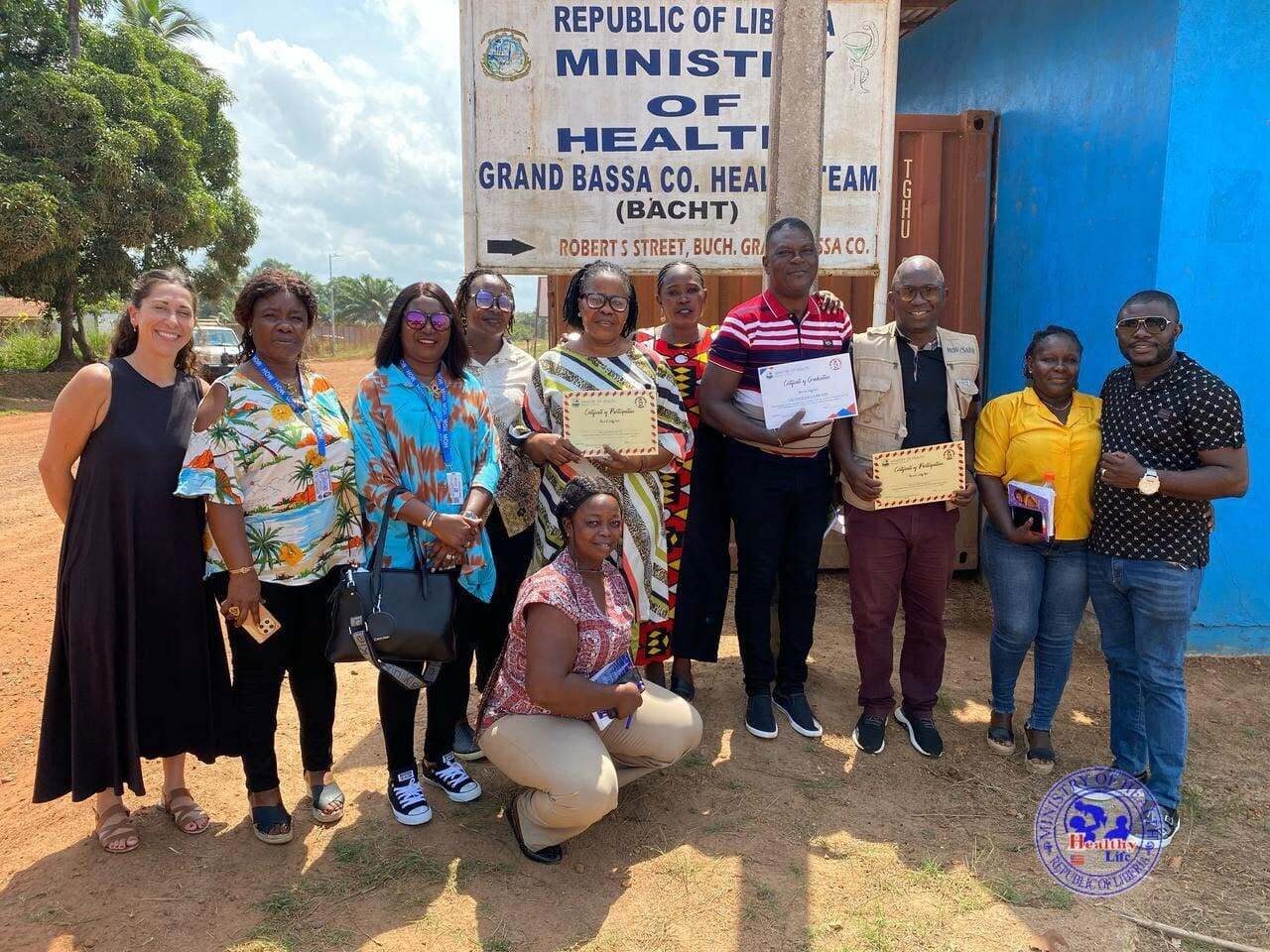
Liberia has largely closed the gap between HIV and syphilis screening, and built it into government health systems
Screening at prenatal visits has since gone from about 8 in 100 women to about 80. All 15 counties have graduated from our intensive support, and health workers at more than 560 facilities now routinely screen and treat.
Read the coverage →After decades of neglect, maternal syphilis is on the international agenda. Our CEO sat down with Devex’s Kate Warren to talk about the growing global coalition we’ve convened.

Nigeria
Same supplies, smarter targeting: How Nigeria could save 250% more lives
Nigeria has committed $30 million to nutrient supplements for three million children under two. Where those supplements go matters. By sending them to the highest-burden wards, with trained health workers to deliver them, we estimate 3,000 more children’s lives could be saved.
Read the story →From a standing start in under two years, about 54% of adolescent girls in Malawi received at least one iron tablet in a given month. Four lessons are helping us close the gap to full doses.
If prevention is the future of public health in India, the next frontier in the fight against anemia is “the infrastructure of behavior,” writes Ankur Garg. In Uttarakhand, a health worker returned three times to a home where the iron syrup sat unopened; in Haryana, a teacher talked with students who were slipping tablets into their bags.

Liberia
A proven way to prevent newborn deaths still isn’t reaching most babies.
Kangaroo Mother Care, which pairs skin-to-skin contact with close monitoring for danger signs, cuts neonatal mortality by roughly a third, yet a four-country case study found only 5% of facilities offering it had reached durable, routine practice. We’ll work with Liberia’s Ministry of Health to learn what delivery would require.
Read the story →An estimated 826 million people lack the simple glasses that would restore near vision and enable them to earn an income. The authors argue for putting screening and distribution in the hands of community health workers, and put Evidence Action’s program among the evidence it can work.