India's Jal Jeevan Mission has connected more than 150 million rural households to tap water — a historic achievement in water access. But a tap connection is not the same as safe water. Most rural piped systems deliver water that is untreated, and chlorination remains the missing step between coverage and safety.
That's where Evidence Action's India Safe Water Now program comes in. Working alongside state governments in Andhra Pradesh and beyond, the program installs in-line chlorination (ILC) devices at village water sources — a cost-effective, proven technology that automatically treats water as it flows through the system. But technology alone can't change behavior. Reaching families, building trust, and sustaining adoption requires a human connection. In Yanamadla village, that connection is Krishnaveni.
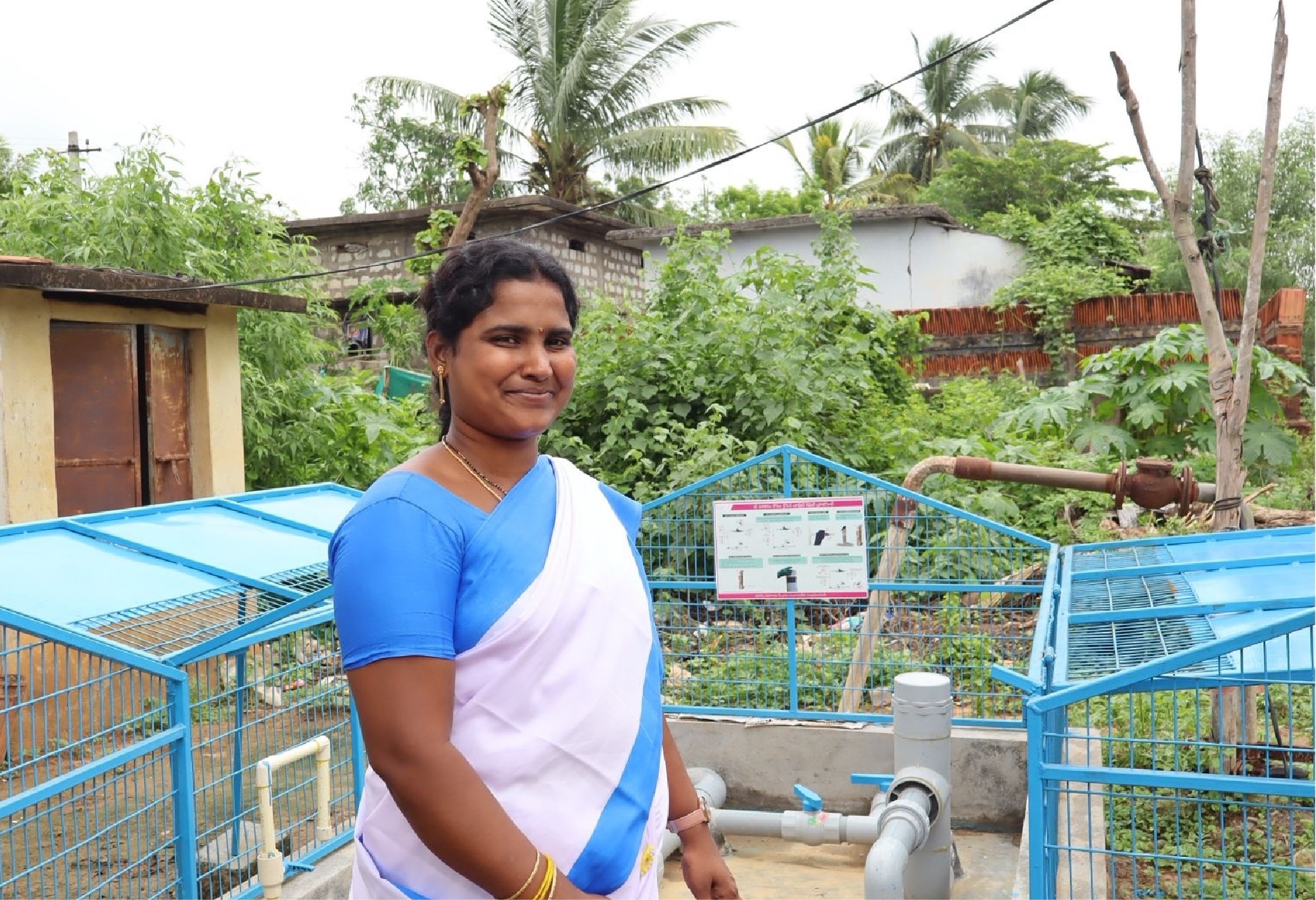
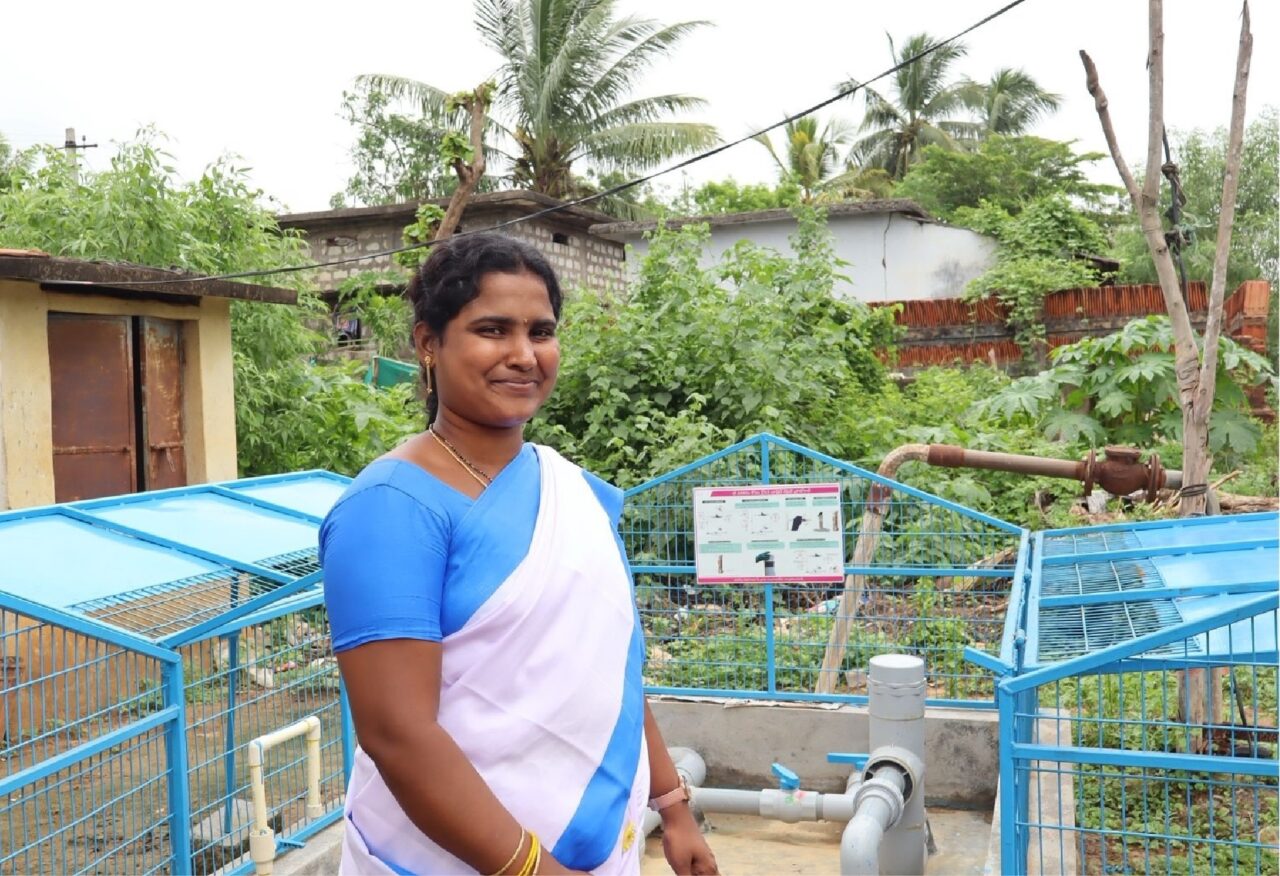
In-line chlorination devices have been installed by Evidence Action at village water sources across the region. The devices work automatically — treating water with a safe, World Health Organization-endorsed dose of chlorine as it flows through existing pipes to household taps. But technology deployed at a water source only becomes safe water in a home when the community understands, trusts, and uses it.
It takes someone like Krishnaveni to bring that message home.
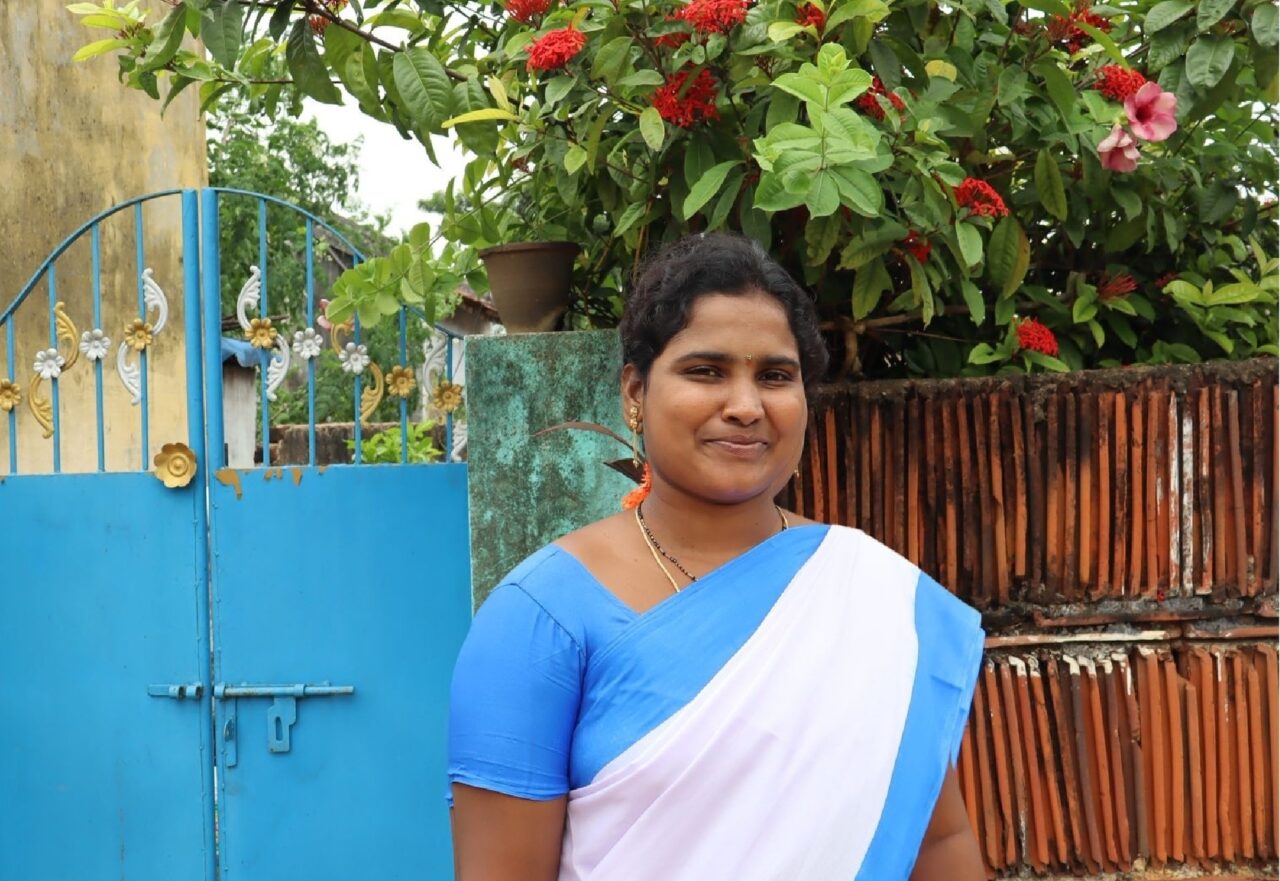
As an Accredited Social Health Activist (ASHA worker), Krishnaveni is part of India's vast frontline health workforce. In Yanamadla village, she has become the primary bridge between a new water treatment technology and the families it's meant to protect.
The policy window
India's 2026 federal budget committed approximately $58 billion over five years to rural water through Jal Jeevan Mission and Finance Commission grants. This represents one of the largest public investments in rural water infrastructure globally.
The binding constraint is no longer funding, but implementation capacity: the gap between committed resources and functioning safe water services at the household level. That's the gap frontline workers like Krishnaveni help close.
Learn more about Jal Jeevan Mission 2.0 →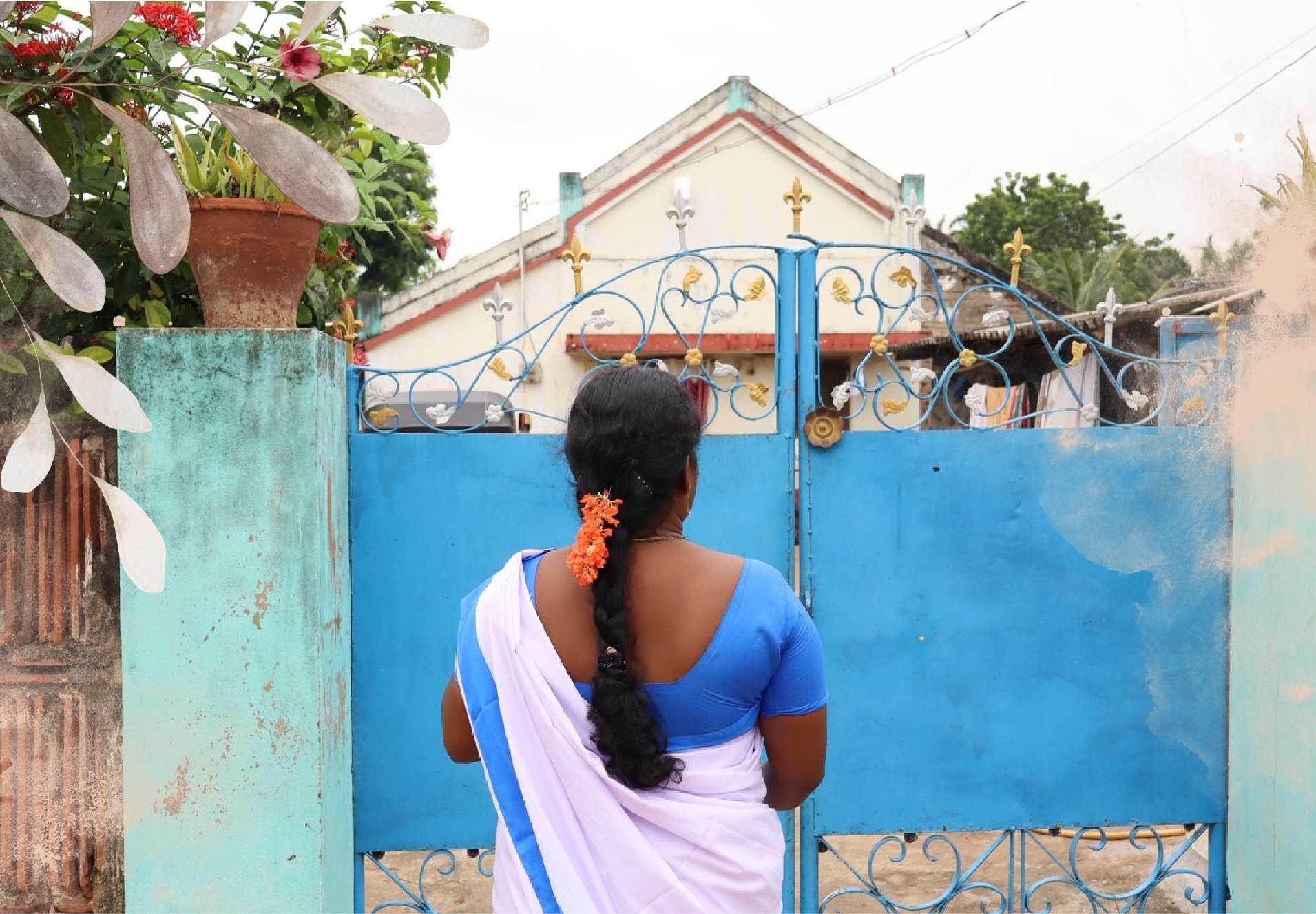
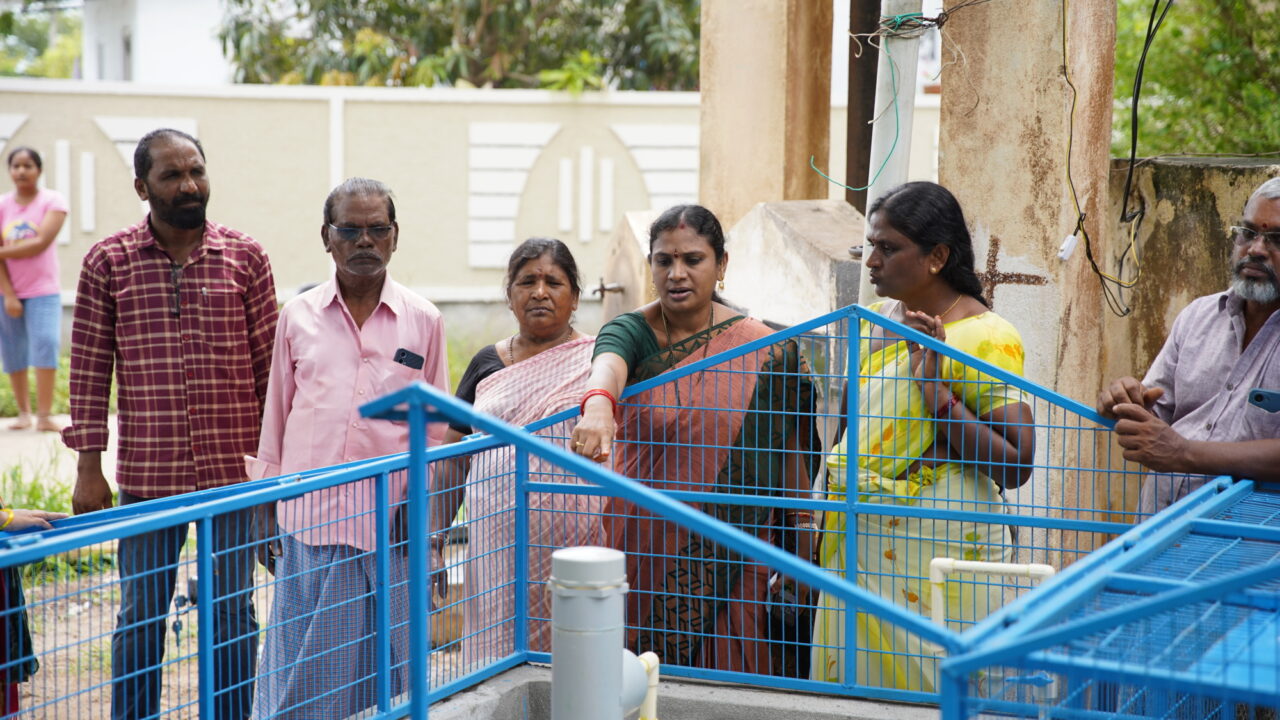
Krishnaveni helps her community understand how the in-line chlorination device works and why it matters — particularly for protecting young children from waterborne illnesses. She carries this message at every level, from individual households to community gatherings.
"Community engagement is not a soft add-on to the technical work. It is a part of infrastructure."
Community trust is one of the most complex challenges facing chlorination scale-up in India. Changes in taste and smell affect entire communities served by a single device. Earning trust requires not just information, but sustained, personal engagement from people families already know.
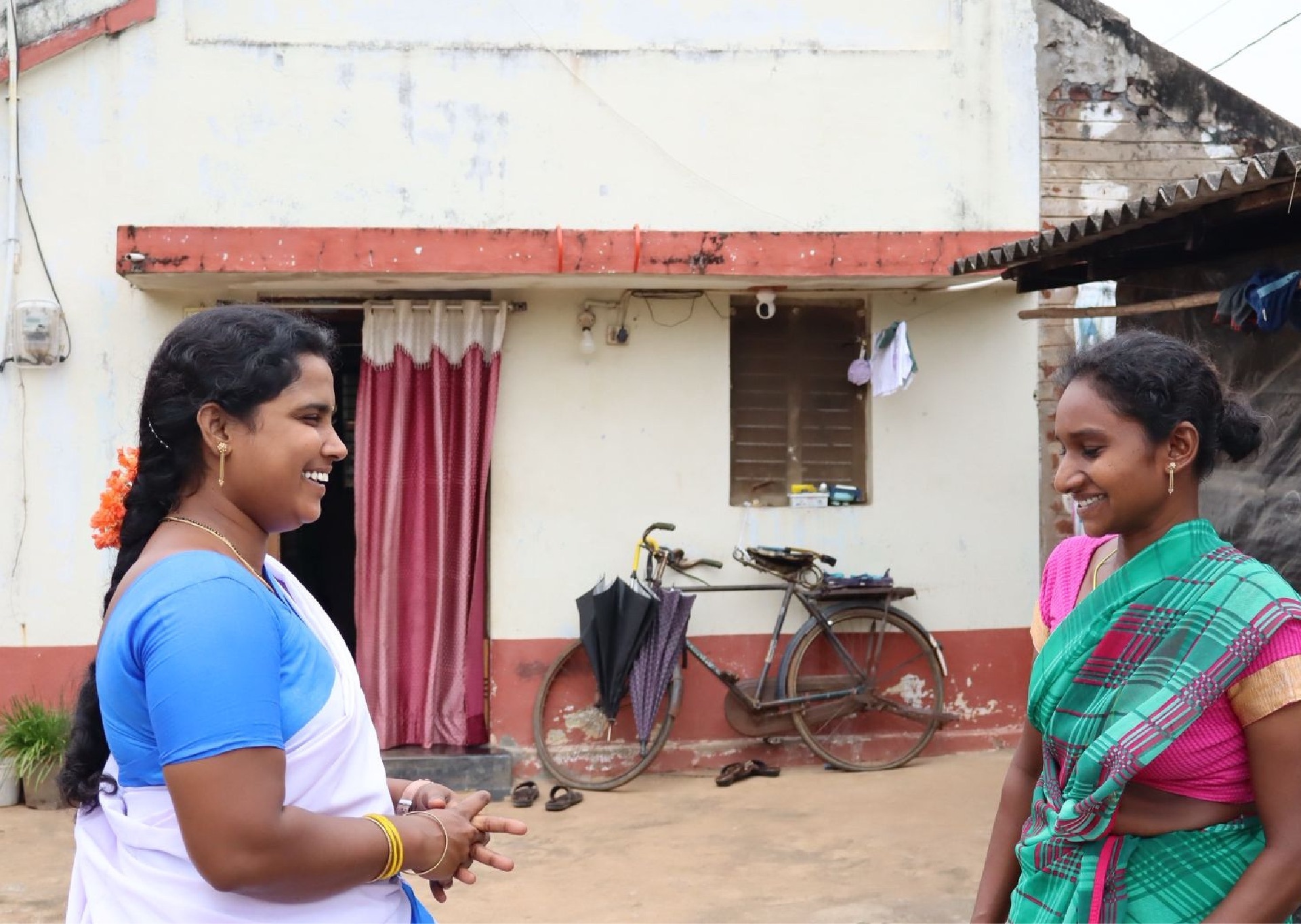
During visits, Krishnaveni guides parents and caregivers on using chlorinated water and adopting safe storage habits for healthier families. She explains what the faint smell of chlorine means — that it's a sign of protection, not a cause for concern. She answers questions, addresses hesitation, and returns again to follow up.
This kind of sustained, face-to-face engagement is what Evidence Action's program is now investing in more deliberately. Recognizing the criticality of social and behavior change communication (SBCC), the team is redesigning its community engagement strategy — moving from information-based awareness toward a behavioral change approach informed by deep formative research, with the goal of developing a framework that can be advocated for adoption as national guidelines.
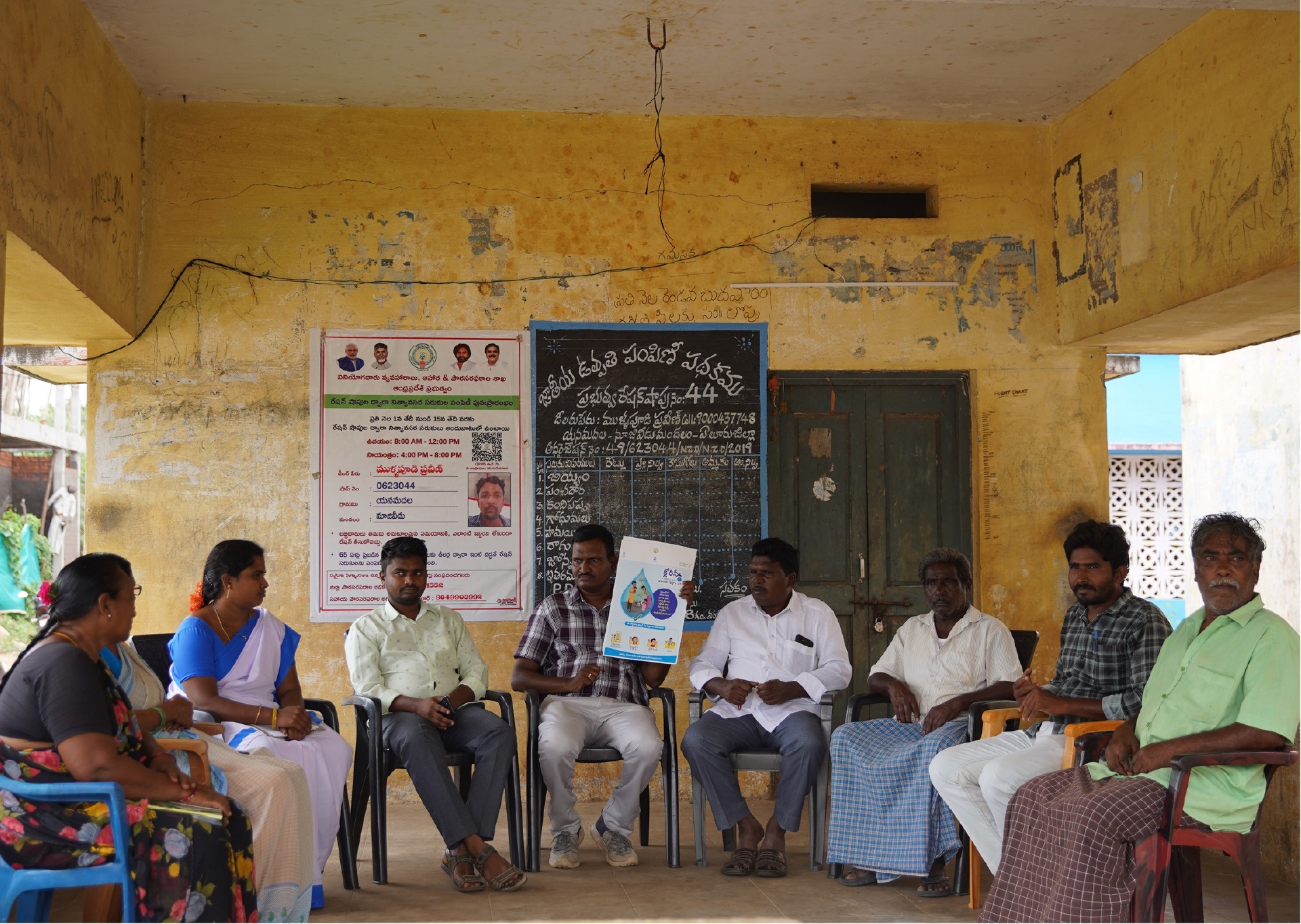
At community meetings, Krishnaveni broadens the conversation, helping community members understand the long-term health benefits of safe water. These gatherings are a chance to move beyond one-on-one conversations and address shared concerns as a group — from water taste to the science behind chlorination.
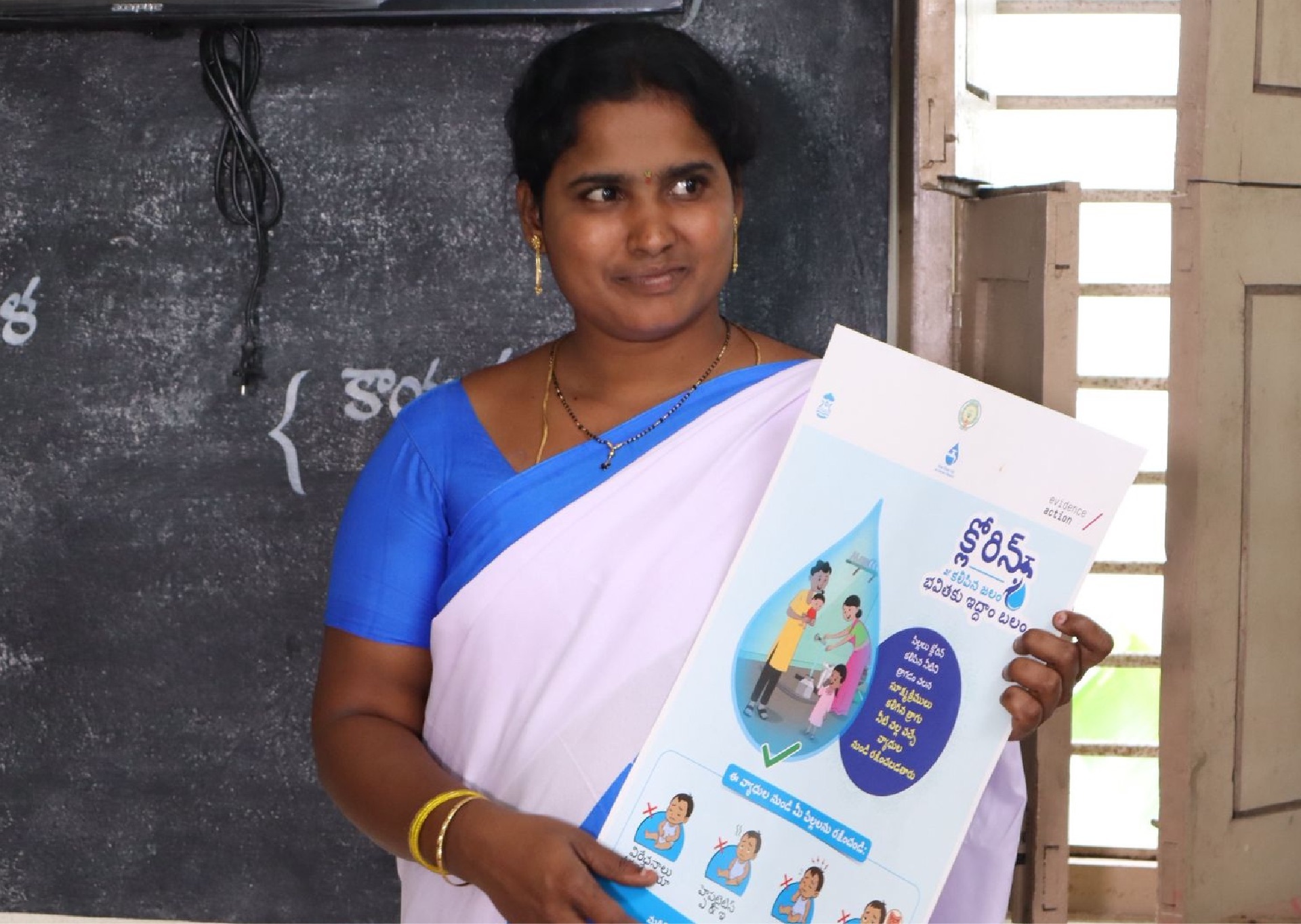
Through lessons at Anganwadi centers — India's network of community childcare and nutrition centers — parents and children learn the importance of safe water, creating healthier habits for the entire community from the ground up. These centers serve as a natural touchpoint for reaching the families most vulnerable to waterborne disease: those with young children.
Enabling stronger public systems
In February 2026, Evidence Action formalized a national partnership with SPM NIWAS, a center of excellence under India's Ministry of Jal Shakti, to strengthen chlorination practices and support evidence-based implementation across states.
Learn more about the partnership →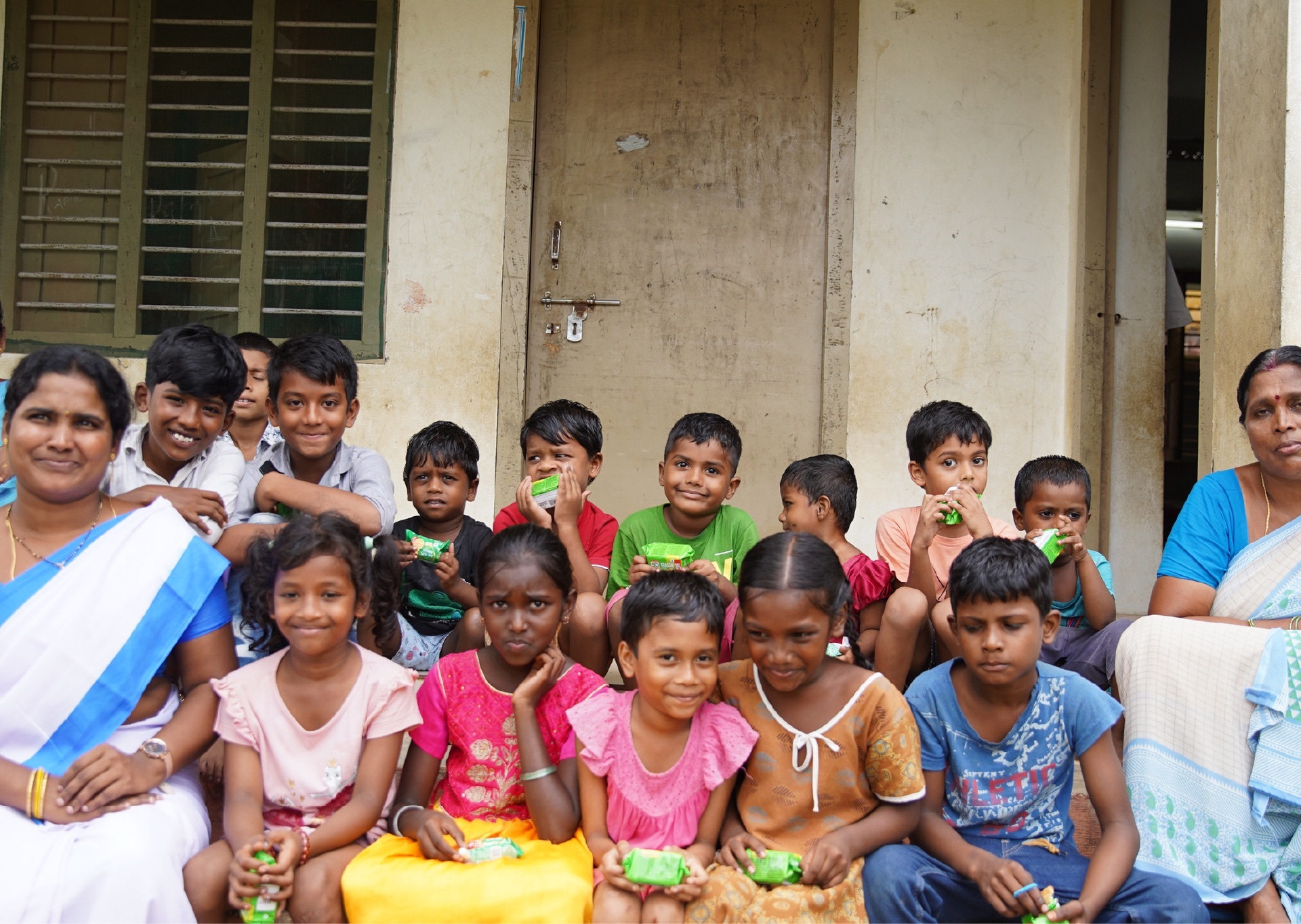
Thanks to Krishnaveni's tireless efforts, children in her community are experiencing fewer cases of diarrhea, and families are embracing safer water practices. Her work is a powerful reminder that even the most evidence-based intervention only reaches its potential when there is someone on the ground who can translate technology into trust.
With India’s strong commitment to safe water, the next step is ensuring systems fully convert these investments into consistent household services.
That work starts in villages like Yanamadla, with frontline workers like Krishnaveni, one household at a time.
Evidence Action's work in India is supported by EAII Advisors, our technical partner in India.