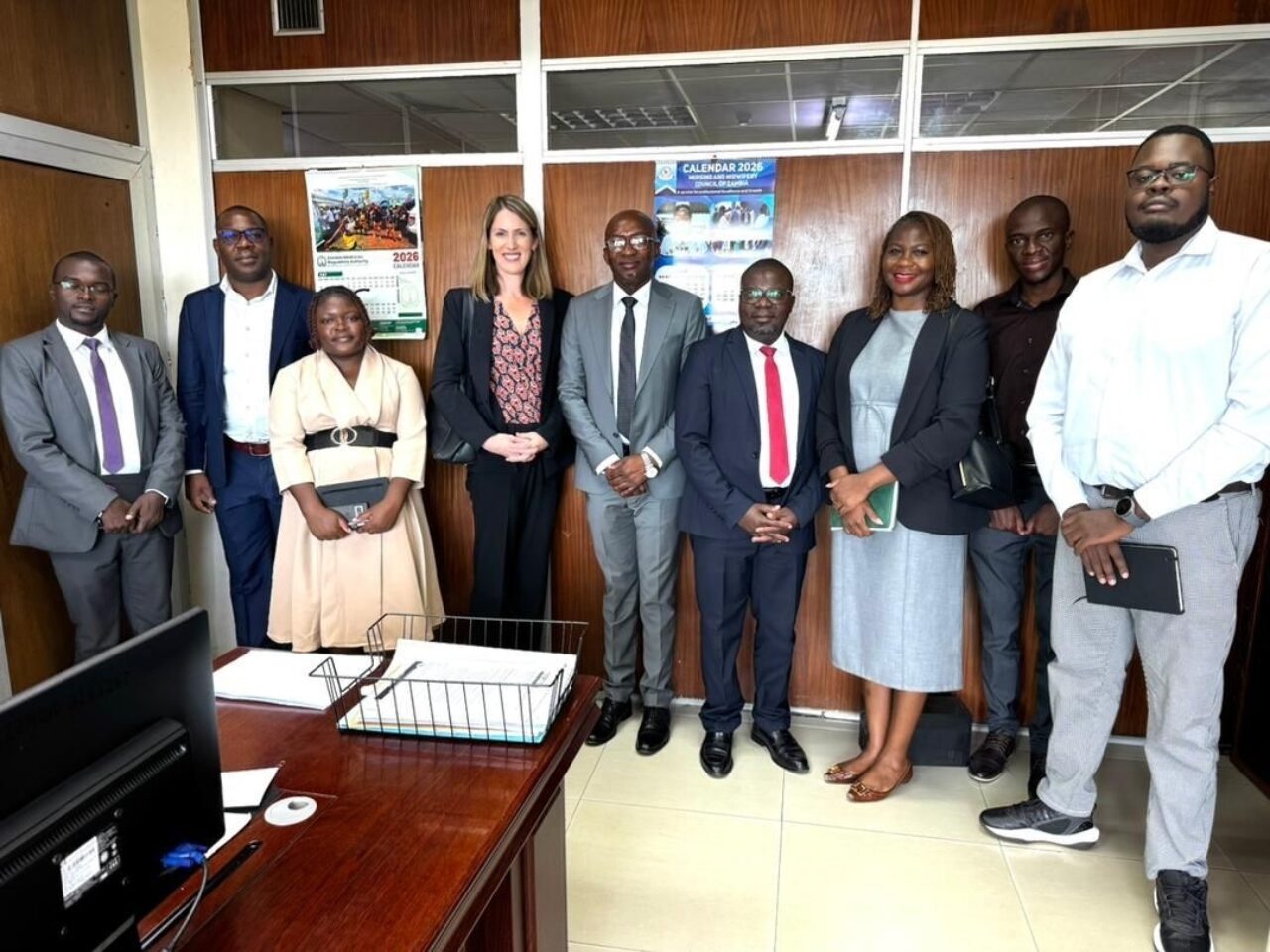
More than a year after major foreign aid cuts, what do government health leaders actually want from their partners? In her first months as CEO, Danielle Bayer put that question to Ministries of Health in Zambia and Uganda.
Three themes came up again and again:
-
1
Sustainability matters. Governments want programs integrated into their own systems — ones they can sustain themselves after other support ends.
-
2
Ambitions haven't narrowed. Governments still need national-scale solutions for health needs; the funding shock only reduced what they have to deliver them with.
-
3
Cost-effectiveness counts. Partners want low-cost, evidence-based work with visible results.
That's a close match for how we already work. As one government official told her, "Evidence Action is not the loudest, but your impact really speaks for itself."
Here's how those themes — cost-effectiveness, evidence, and working through government systems — showed up across our work in the second quarter of 2026.
Nigeria
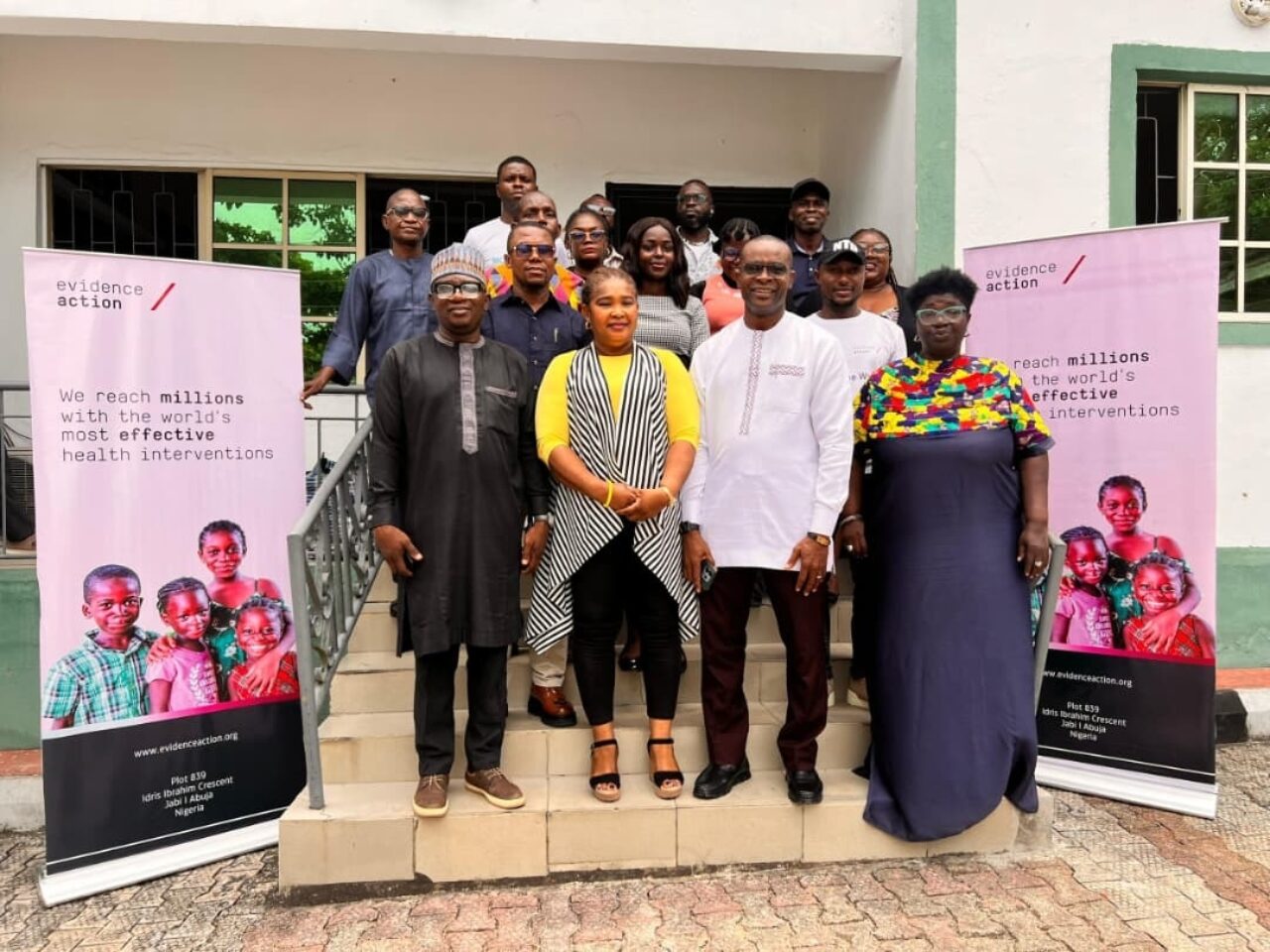
After a decade of deworming, Cross River cut worm infections nearly in half
A Federal Ministry of Health assessment found worm infections down 48.5% and schistosomiasis down 76%. The results from the program — which grew from under 500,000 to 6.5 million children a year — were strong enough that the governor committed state funding on the spot, moving the program from donor-supported to government-sustained.
Read the story →
In-line chlorination
Closing the gap between a tap and a safe glass of water
India has given more than 150 million rural households a tap — but a tap isn't the same as safe water. Andhra Pradesh has became one of the first states to commit to closing that gap for every village it can: treating water at the source so what flows from the tap is safe to drink.
Read the story →
For fifteen years, Bhavani chlorinated her village's water tank by hand. Now a device doses it at the source, and neighbors who once avoided the tank drink from it.
Watch her story →

This ASHA worker went door to door telling families the smell of chlorine is the smell of safety. Reported waterborne illness in the homes she covers fell from 32 in a year to zero.
Watch her story →
Global Fund GC8 · 2027–2029
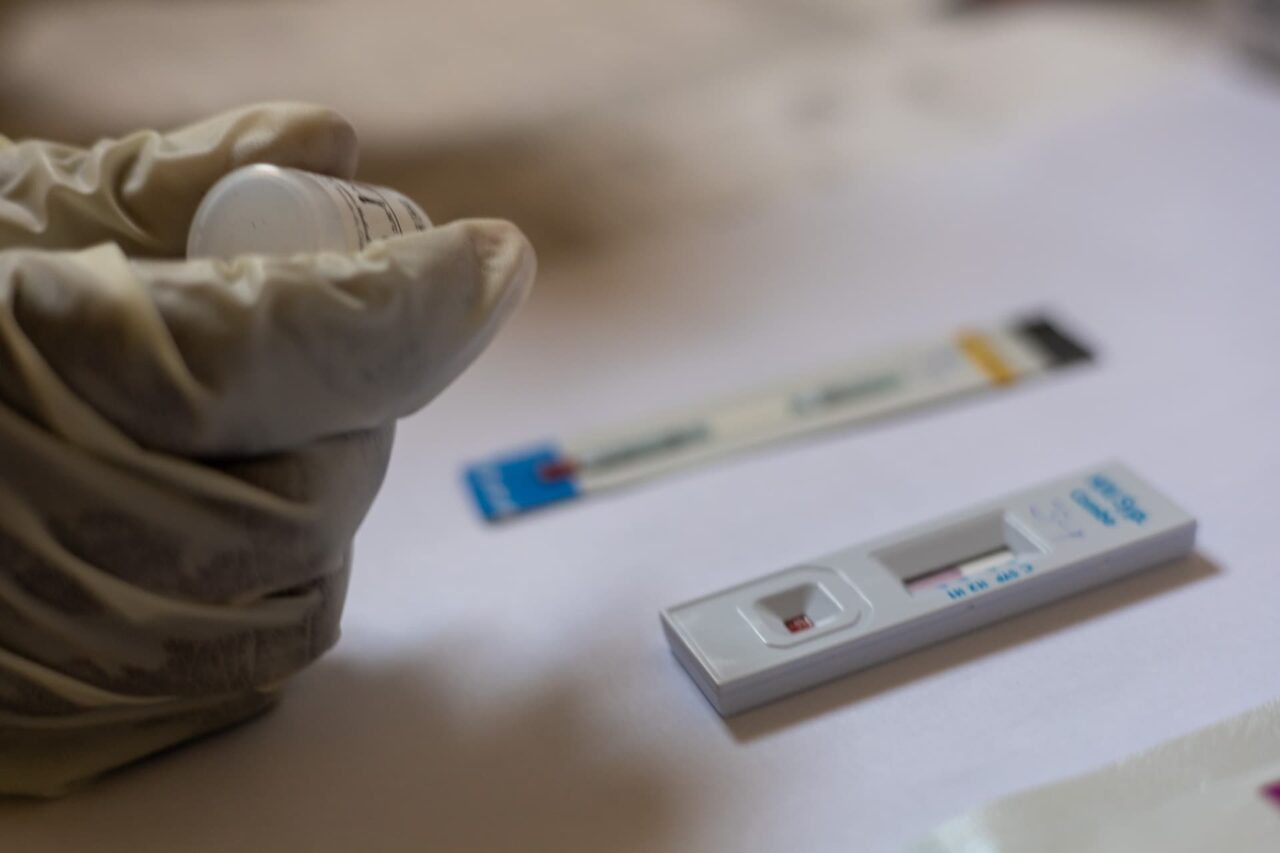
A new toolkit to help countries fund syphilis screening — at a pivotal moment
Governments are drafting the Global Fund applications that will shape health systems through 2029. Our GC8 Syphilis Toolkit equips country teams to get syphilis screening into those plans, closing a gap that harms 390,000+ babies a year, most in mothers already receiving prenatal care.
Explore the toolkit →Co-authored by Evidence Action, a new analysis traces a 10-fold rise in dual tests procured (now 78 countries) and documents prenatal syphilis screening in Liberia climbing from single digits to near-universal coverage in just 3.5 years.
Talent is everywhere, but the conditions to develop it aren't. Of the eleven countries where we work, only Côte d'Ivoire reached this summer's tournament. It's also the newest country in our Syphilis-Free Start program, which expanded there this year with the aim of reaching 3.6 million pregnant women and preventing 17,000+ adverse birth outcomes.

India
India's iron supplementation, working at scale — and the harder gap that remains
Our evaluation of progress from 2022 to 2024 reveals both significant gains and the complexity of health systems transformation.
IFA Full Coverage · 2022 vs. 2024
School-Aged (5–19)
Children Under 5
These coverage gains have contributed to averting an estimated 3.5 million cases of anemia and roughly 140,000 disability-adjusted life years (DALYs) at less than $100 per DALY averted.
Read the story →Adapting a landmark vaccine trial for Nigeria's 2.1 million zero-dose children
The AI Access Initiative — incubated at Evidence Action, now led by Kanika Bahl — published an opportunity analysis on direct-to-consumer health chatbots. Triage over WhatsApp or voice could cut deadly delays in care, and the analysis makes the case for the evidence to do it safely.
With 2AI's support, Telangana is the first Indian state to send AI monsoon forecasts to farmers over WhatsApp, in local-language text and voice — helping them decide what to plant, how much, and when.
Thanks for reading.
Every update above is a proven solution delivered through government systems built to last. Your support makes the next one possible.
DONATE NOW