

Reporting by voice, in the language people speak
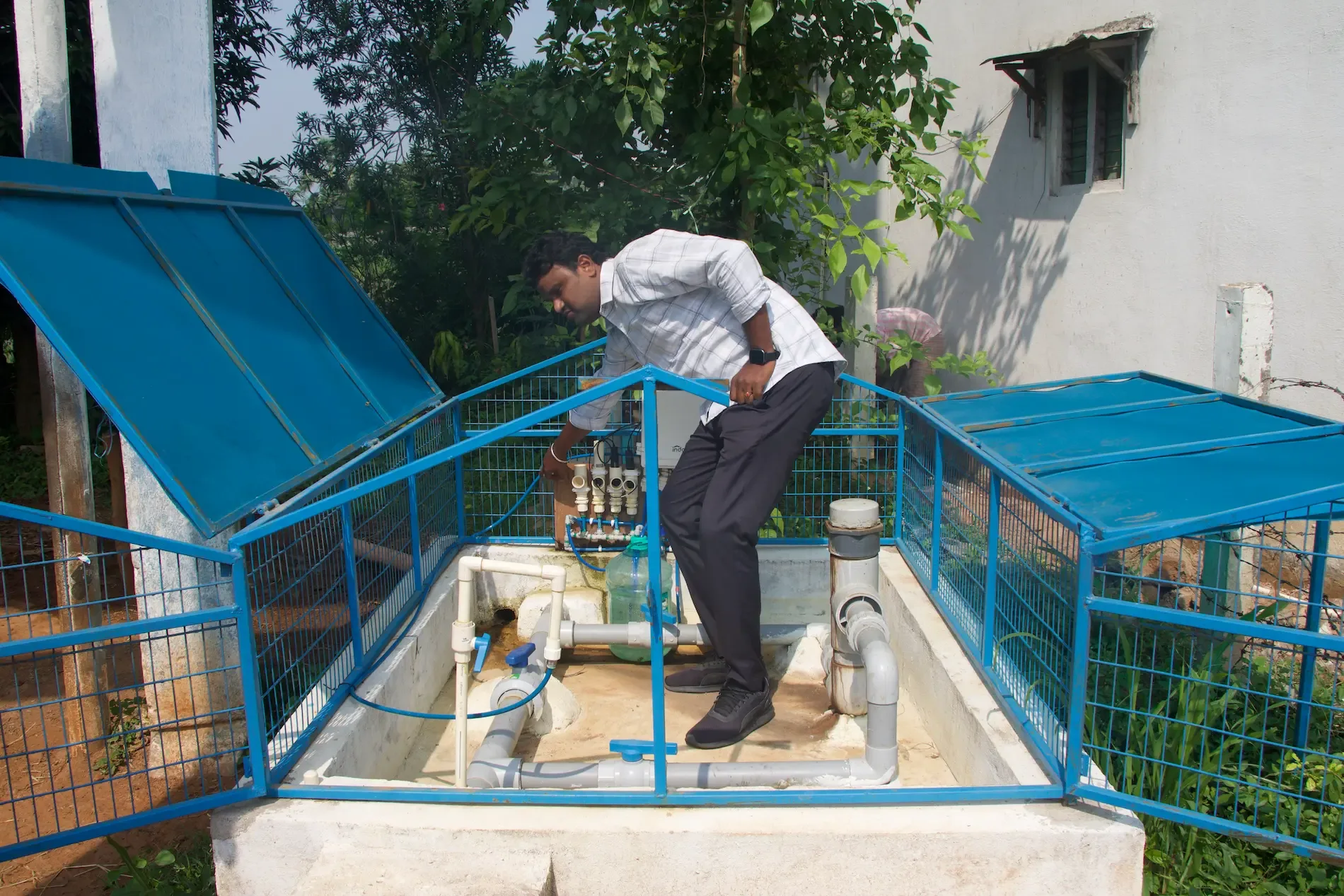
Andhra Pradesh, IndiaIn India, we support state governments to deliver safe drinking water through in-line chlorination, which treats water directly inside existing rural piped water systems. India has connected most rural households to tap water in recent years. But a tap doesn't guarantee safe water, and keeping chlorine at safe levels has proven harder at scale than early trials suggested.
Keeping these systems working every day depends on a chain of people: pump operators, field coordinators, maintenance engineers, and government officials. The information they need, including chlorine readings, tablet refills, maintenance records, and field observations, is already tracked. But it's spread across many people, which means it often arrives too late to act on and is hard to make sense of at scale.
A shorter route from the field to action
Our field coordinators know more about how well this program is working in villages than any report captures. At this early stage, that knowledge is what we need most.
Getting it to us has been hard. Coordinators in Andhra Pradesh used to write monthly reports in English rather than their own language, and each one could take four to five days. Much of what they saw never made it into a report, and what did was scattered across coordinators and hundreds of sites, too spread out to show patterns anyone could act on. Every missed insight about how communities experience chlorinated water, and how coordinators build trust, delays the changes that would make it water people trust and drink.
Now, every two days, coordinators get a short set of prompts and reply with a two- to three-minute voice note in their own language. An AI system transcribes and translates each note and sorts it by issue type, such as an equipment repair or a community concern. It then pulls the notes into a weekly report for district and state program leads and their government counterparts.
We hope this does three things:
- Free coordinators to spend their time on what they do best: working with pump operators and communities, keeping the systems running, and telling us what works and what doesn't.
- Let us hear from them more often, in the language they think in, and early enough to fix problems.
- Help us see patterns. A problem that seems too small to mention at one site can turn up at many, and together they could be worth reporting.
Early signs are encouraging: coordinators tell us voice reporting lightens their reporting load and lets them share more detail.
From faster reports to better-run systems
Next, we plan to bring voice reporting to the whole field team, including pump operators and maintenance engineers, and connect it to the way the systems are run:
- Case management. AI ranks reported issues by urgency and sends each one to the right person, so a missed refill or a broken part is fixed before it becomes a bigger failure.
- Reliable records. The same channel records chlorine dosing and photo-verified chlorine readings, building a dependable picture of how these systems perform in real conditions.
- Decision support for government. A dashboard shows local officials which systems are struggling. It gives the responsible engineer a specific task, such as “refill tablets at this site within two days,” and escalates the issue if it isn't resolved.
We're not trying to build a standalone tool. The goal is to help government operate and maintain its water systems over the long term, which is an area where it has asked for our support.
Advancing the science of chlorination
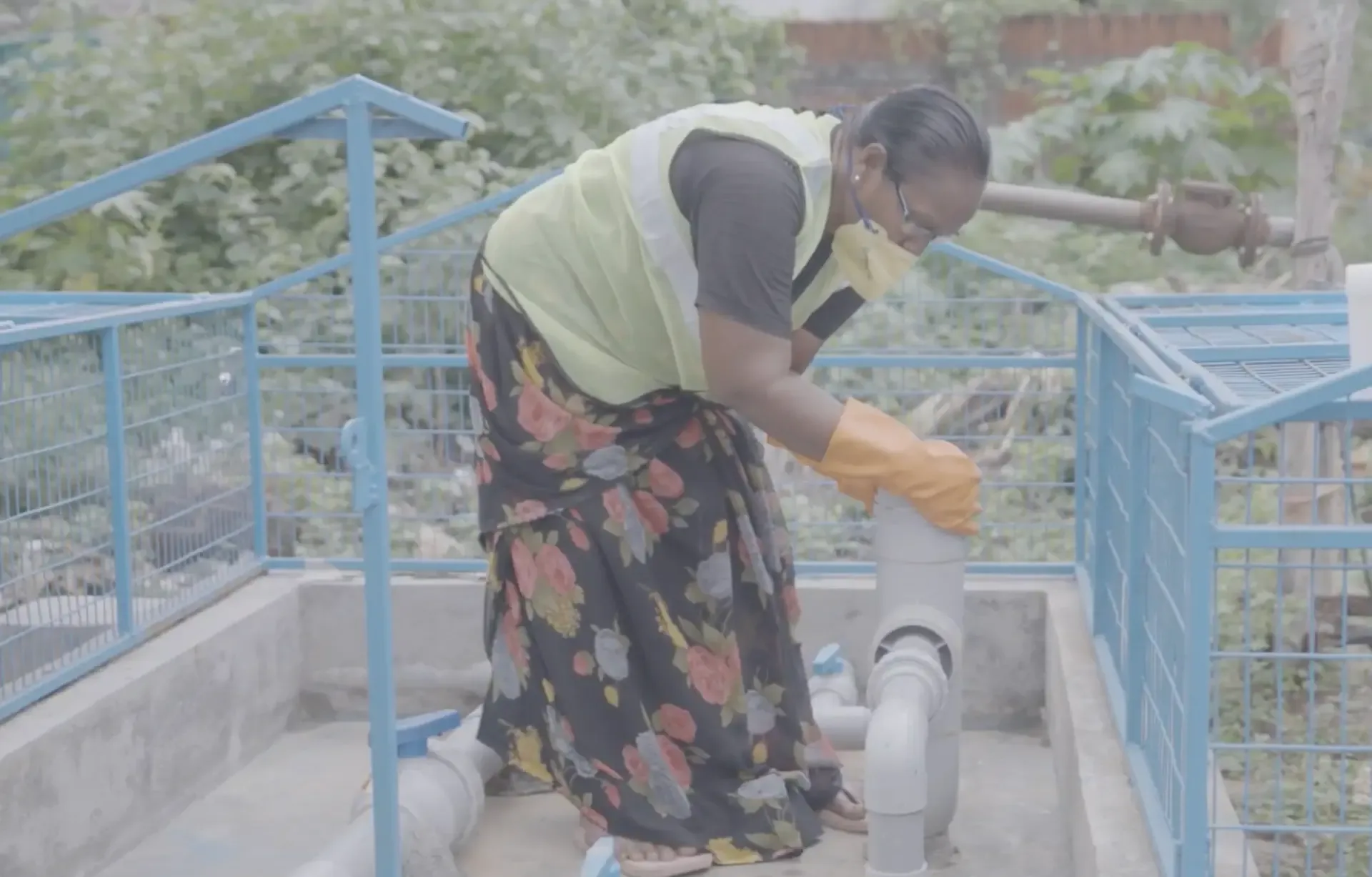
Consistent records of water quality test results and chlorine doses could also help answer an open question: what is the right dose for each site as conditions change? A randomized trial in Odisha found that in-line chlorination cut E. coli in tap water by 70%, and that keeping chlorine at the right level took dedicated monitoring. But setting those doses is a slow, manual process today and depends on the underlying water chemistry at each site. Learning from data across the whole system could move that science forward faster than lab testing alone.
Unlike individual clinical decisions such as diagnosis, this work lets us manage risk through government systems. We're designing checks with people in the loop at the system level, with built-in escalation so dosing guidelines get reviewed. Frequent chlorine readings create feedback loops, so we keep ground-truth data as the system scales. That lets us test and learn faster, while still holding ourselves to a high standard for responsible use.
The pilot will help us test whether voice reporting makes information more timely and complete, and whether that information leads to better decisions. Ultimately, it will help us learn whether more households are drinking safely chlorinated water.